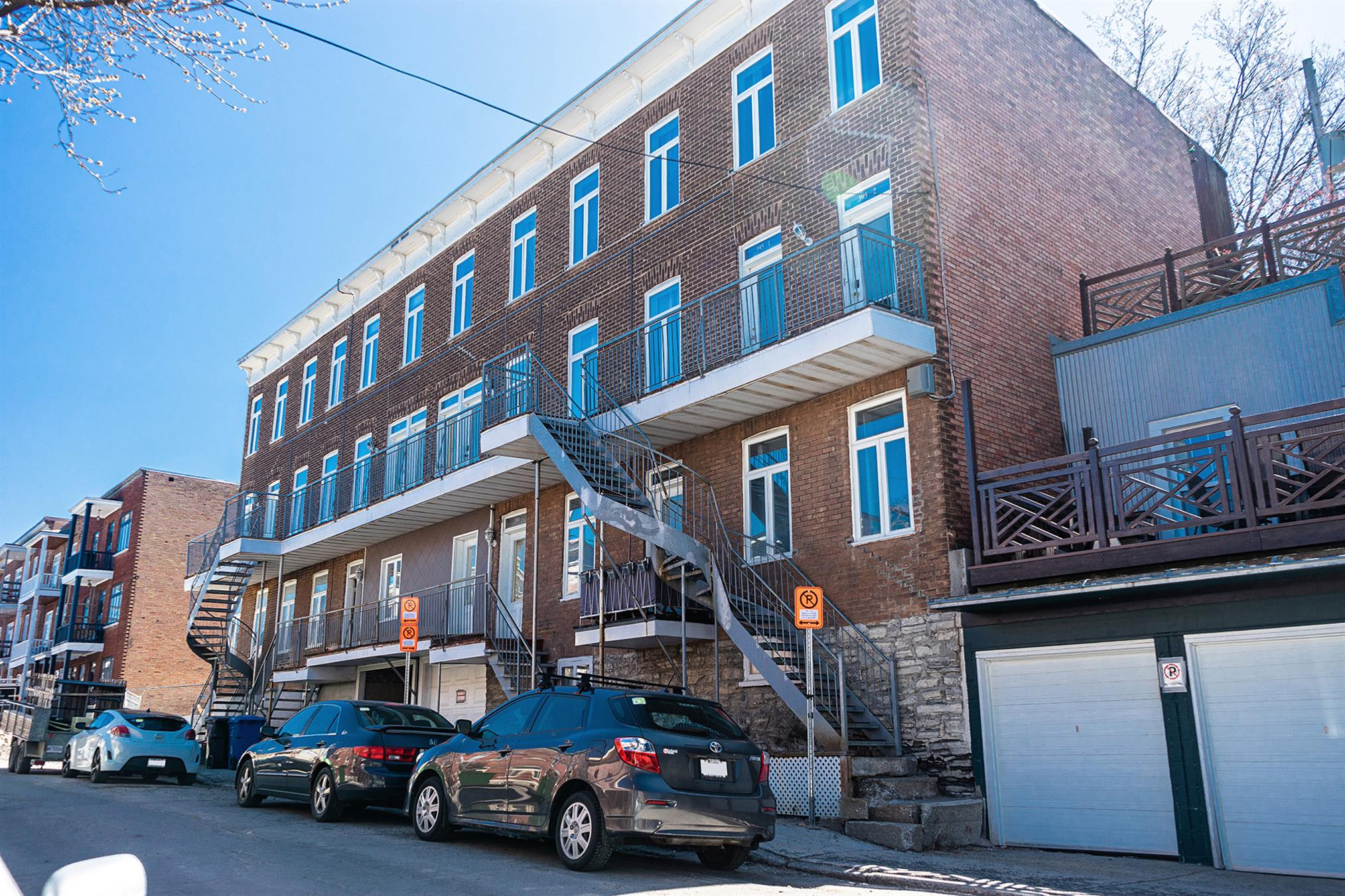
Renting in Quebec is meaningfully different from renting anywhere else in Canada. The lease is a standardized provincial form, the tribunal that hears disputes is unique to the province, rent increases follow a structured process most tenants do not fully understand, and lease renewal happens automatically unless someone takes action. Tenants who understand the system protect their stability, their wallets, and their relationships with their landlords. Tenants who do not often discover the rules at the worst possible moment.
This guide is written for current and prospective Quebec City renters in 2026. It covers what your lease actually says, how the Tribunal administratif du logement (TAL) works, how rent increases are calculated and contested, the unique mechanics of Quebec lease renewal, your rights around repairs, your obligations as a tenant, and what to expect when ending a tenancy or moving out. This is general information; for specific situations, the TAL and qualified legal counsel are the authoritative resources.
The Quebec Lease — What the Standard Form Actually Says
Every residential lease in Quebec uses a standardized form provided by the TAL. This is not optional, and it is a significant protection for both parties. The form covers:
- The parties — landlord, tenant, and any co-tenants by full legal name.
- The unit — address, unit number, included spaces (storage, parking, balcony), and inclusions (appliances, furniture).
- The term — start and end dates, typically aligned with Quebec’s traditional July 1 cycle but not required to be.
- The rent — amount, payment frequency, payment method, and the date payment is due.
- Services and utilities included — heating, hot water, electricity, internet, and any other inclusions.
- Specific conditions — pets, smoking, noise expectations, and any building-specific rules.
- Section G — the rent for the previous year, including the lowest rent paid for the unit in the last 12 months. This is one of the most important and most overlooked sections.
Section G matters because it gives you the legal basis to challenge a rent increase if your landlord raised the rent significantly compared to the previous tenant’s rent. Many tenants sign leases without reading this section. The information there is worth a careful look before you sign.
Verbal agreements alongside the standard lease are limited in their enforceability. If something matters — included parking, a verbal promise about renovations, an arrangement about subletting — get it written into the lease or into a clearly worded addendum signed by both parties.
The Tribunal Administratif du Logement (TAL)
The TAL is the provincial tribunal that handles residential tenancy disputes in Quebec. It replaced the older Régie du logement and operates with the same general scope. Tenants and landlords can both file at the TAL for a range of matters:
- Rent increases and rent fixation
- Non-payment of rent and recovery of unpaid amounts
- Repairs and habitability issues
- Lease terminations and evictions
- Damages and security deposit-equivalent matters (Quebec does not allow security deposits in the traditional sense)
- Lease assignment, subletting, and transfer disputes
- Harassment, intimidation, or breach of peaceful enjoyment
The TAL is designed to be accessible without a lawyer, though tenants with significant disputes often benefit from legal representation. Filing fees are modest, processes are documented, and hearings are scheduled within timeframes that vary by file type. For tenants, knowing that the TAL exists and how to access it is itself a meaningful protection.
Rent Increases in Quebec — How They Really Work
This is the area most renters misunderstand. The short version:
Landlords cannot simply raise the rent at renewal. They can propose an increase, and you have the right to accept it, refuse it, or refuse it while staying in the unit.
The process follows a specific timeline. Between three and six months before the lease end date, the landlord must send a written notice of any proposed rent increase along with any other proposed changes to the lease (such as services no longer included).
You have one month to respond in writing. Three options:
- Accept the proposed changes and renew at the new rent.
- Refuse the changes but stay in the unit. The lease renews on the same terms as before; the landlord then has one month to file at the TAL for rent fixation if they want to pursue the increase.
- Refuse to renew the lease entirely. Notify the landlord you are leaving by the end date.
If you do not respond, the lease renews automatically with the proposed changes. This is the single most common way tenants accidentally accept higher rents. Silence equals acceptance.
The TAL uses a calculation method that considers operating expenses, capital expenses, taxes, and other factors. It is not based on market rents. Many proposed increases end up reduced when reviewed by the TAL.
For new tenants, Section G of the lease matters. If the rent you are signing is meaningfully higher than what the previous tenant paid, you have ten days from the date of signing to file at the TAL for rent fixation. This right is rarely exercised but is real and meaningful.
The discipline that protects tenants here is simple: read every notice you receive, respond in writing on time, and do not let deadlines pass through inattention.
Lease Renewal — The Quebec Process Is Different
Most provinces require active renewal of residential leases. Quebec does the opposite: leases renew automatically unless someone takes action. This single rule shapes how renting works in the province.
If neither the tenant nor the landlord sends a notice within the legal timeframe, the lease automatically renews on the same terms for the same duration. Tenants who simply stay quiet typically continue under the same lease year after year, with whatever modest annual increases they accept.
The practical implications:
- Long-term tenants accumulate meaningful rent advantages over time if increases are accepted only when reasonable. A tenant who has lived in a unit for ten years often pays well below current market rent.
- Landlords cannot use lease end as a tool to remove tenants. A tenant in good standing has the right to renew almost indefinitely.
- Notice deadlines work in both directions. If you want to leave at the end of the lease, you must notify the landlord in writing within the proper window (typically three to six months before lease end).
For tenants who plan to stay, the renewal cycle is mostly a non-event handled through a brief written exchange. For tenants planning to leave, missing the notice window can mean another year of obligation. Mark your calendar.
Repairs, Habitability, and Landlord Obligations
Your landlord is responsible for delivering and maintaining a unit that is safe, sanitary, and in good repair. This obligation continues throughout the tenancy, not just at the start.
Landlord responsibilities typically include:
- Major systems (heating, plumbing, electrical, structural)
- The building envelope (roof, walls, windows in working order)
- Common areas (hallways, stairwells, entrances, shared utilities)
- Pest control for infestations beyond tenant lifestyle factors
- Compliance with municipal codes and fire safety regulations
- Snow removal from common access where required by lease or local rules
When something needs repair, the process generally runs:
- Notify the landlord in writing of the problem. Text or email is fine; keep a record.
- Allow reasonable time for response — urgent issues (no heat in winter, no water, dangerous conditions) require immediate attention; routine issues can take days.
- If the landlord does not respond, send a formal written notice with a deadline.
- If the issue remains unresolved, you can file at the TAL, and depending on the situation, you may have the right to make the repair yourself and deduct the cost from rent — but only following specific procedures.
Tenants do not have the right to withhold rent unilaterally for repairs. This is a common mistake that creates problems at the TAL. The correct path is to pay rent on time and pursue the repair through proper channels.
For tenants whose buildings are managed by professional firms, the response time and quality on repairs is often a meaningful indicator of the quality of management. The guidance at Frédéric Murray Management covers what tenants can reasonably expect from well-run management operations.
Tenant Obligations You Should Take Seriously
The standard lease imposes real obligations on tenants. The most important:
- Pay rent on time, every month. Late payments are tracked and can support termination proceedings in serious cases.
- Maintain the unit in clean and reasonable condition. Normal wear is expected; damage is not.
- Respect the peaceful enjoyment of neighbors. Excessive noise, disturbances, and conflict-creating behavior are grounds for landlord action.
- Notify the landlord promptly of significant issues. Small leaks become major repairs when ignored.
- Do not make major alterations without written consent. Painting, drilling holes for shelving, and minor adjustments are typically fine; structural or significant changes are not.
- Respect the building rules referenced in your lease.
Tenants who fulfill these obligations and communicate well typically build positive long-term relationships with landlords, which translates into better responsiveness, smaller rent increases, and easier renewals.
Roommates, Transfers, and Subletting
Quebec law gives tenants specific rights around sharing or transferring their unit.
Adding a roommate to an existing lease typically requires landlord consent, which cannot be unreasonably refused.
Subletting — temporarily renting your unit to someone else while you remain on the lease — is allowed in Quebec. You must notify the landlord in writing, and they can only refuse for serious reasons.
Assignment — permanently transferring your lease to another tenant — is also allowed under similar rules. This is meaningfully different from subletting: in an assignment, you are released from the lease entirely.
For tenants whose circumstances change mid-lease, these options can be valuable. The specifics depend on your situation and are worth understanding before you need to use them. The resource library at Frédéric Murray Location covers some of these scenarios from the search and matching perspective.
Ending the Lease and Moving Out
Some situations allow early lease termination beyond the renewal cycle:
- Significant change in personal circumstances in specific cases recognized by Quebec law (admission to a long-term care facility, allocation of certain housing programs, and others).
- Mutual agreement between landlord and tenant.
- Serious landlord breach that, after proper TAL process, allows termination.
- Death of the tenant — the lease can be terminated by the estate.
Outside of these, leaving a lease early generally means remaining responsible for the rent until a replacement tenant is found, unless an assignment or sublet is arranged.
Move-out best practices:
- Notify the landlord in writing within the proper window.
- Schedule a walkthrough or inspection before final departure.
- Document the condition of the unit with photos and video, dated.
- Return all keys, fobs, and remotes.
- Provide a forwarding address for any final correspondence.
- Cancel or transfer utilities, internet, and tenant insurance.
- Keep copies of all correspondence for at least two years.
Most move-outs go smoothly when both parties communicate. Disputes over damages or unreturned items typically come down to documentation; the tenant with photos and signed inspections almost always prevails over the one relying on memory.
Long-Term Renter Strategies in Quebec City
For tenants who plan to rent for years rather than months, several habits compound into meaningful advantages.
Build a written record of every interaction. Texts, emails, and dated notices create a paper trail that protects you if a dispute ever arises.
Pay rent on time, every time, and have proof. Consistent payment records support every aspect of your tenancy and any future rental application.
Communicate constructively about issues. Tenants who report problems calmly and clearly get faster responses than tenants who escalate immediately.
Understand your annual renewal window. Treat the rent increase notice arrival as an important annual event, not a routine letter.
Maintain the unit better than required. Tenants who care for the unit visibly tend to receive smaller rent increases, faster repairs, and easier requests.
Stay informed on the system. TAL rules and Quebec tenancy law evolve. A quick annual review of changes protects you over a long tenancy.
Consider whether long-term renting still serves your goals. For some renters, after a decade in a great unit at a good rent, staying is clearly the right choice. For others, the financial case for ownership eventually becomes stronger. The analysis at Frédéric Murray Homes covers the buying side of that decision honestly.
Living Well as a Quebec City Tenant in 2026
Renting in Quebec City this year requires more attention than renting did a decade ago, but it also offers stronger protections than most renters realize. The tenants who live well — financially comfortable, stably housed, free of unnecessary disputes — are the ones who treat their tenancy seriously, understand the system, respond to notices on time, communicate clearly with their landlords, and respect both their rights and their obligations.
If you are navigating a specific tenancy question — a proposed rent increase that feels excessive, a repair issue that is not getting addressed, a renewal decision, or a move-out timeline — the Frédéric Murray Rentals team works with Quebec City tenants across all of these situations and is available for guidance. For specific legal questions, the TAL website and qualified legal counsel remain the authoritative sources, and for tenants whose situations are evolving toward homeownership rather than continued renting, the resources at Frédéric Murray Homes offer a useful next step.