Every landlord wants the same two things: longer tenancies and higher rents. The investors who consistently achieve both are not lucky. They follow specific operational practices that turn a property from a passive asset into a genuinely productive investment. In 2026, with Quebec City’s rental market remaining tight but rent increases constrained by regulation, the difference between a well-run property and an averagely-run one shows up in a single decisive metric: the net income that lands in your account every month. The good news is that most of the practices that drive this outcome are within any owner’s control.
Why Tenant Retention Beats Tenant Hunting Every Time
The math on tenant turnover is brutal once you actually run it. A tenant who leaves your unit triggers a cascade of costs that rarely make it onto landlord spreadsheets but reliably destroy returns.
Frédéric Murray, who oversees the Groupe Murray portfolio of more than 200 units, observes that the difference between properties with healthy retention and properties with constant turnover often represents 15% to 25% of annual net income. The investors who understand this build their entire operational approach around keeping good tenants long term.
The Real Cost of Losing a Tenant
- Vacancy period of typically four to eight weeks in central Quebec City neighborhoods, even in a tight market.
- Make-ready costs including painting, cleaning, minor repairs, and any small upgrades to attract the next tenant. Budget $1,000 to $3,000 per turnover at minimum.
- Marketing and showing time that consumes hours of your own time or generates fees from a leasing service.
- Application screening costs including credit checks, employment verification, and reference contact time.
- Risk of a lower-quality replacement which can transform your property’s profile for years.
- Wear and tear from the move-out and move-in process itself.
A long-term tenant paying slightly below market is often more valuable than a frequent series of new tenants paying full market. Run the math on your own properties and the conclusion becomes obvious.
The Tenant Selection Foundation
Retention starts before the lease is even signed. The tenant you choose during application is the tenant you live with for the duration. Choose carelessly and no amount of operational excellence will save you. Choose well and most of your retention work is already done.
Screening Criteria Worth Standardizing
- Verified employment and income with a minimum income-to-rent ratio (typically 3:1 monthly income to rent).
- Credit history check with documented score requirements and willingness to discuss any issues directly.
- Previous landlord references with actual phone conversations, not just written letters.
- Stability indicators including length at previous addresses and employment duration.
- Personal interaction quality during the visit and application process.
The candidate who arrives prepared, communicates clearly, and treats the visit as professionally as a job interview is signaling something important. Pay attention.
Documentation Standards
Every tenant interaction should generate a paper trail. Notes from initial calls, application materials, screening documentation, and lease execution should be organized and accessible. This protects you legally and helps you spot patterns over time. The tenant who looks great in conversation but whose application has inconsistencies is sending warnings that documented records preserve.
What Makes Tenants Want to Stay
Once you have a good tenant, retention becomes about delivering an experience that makes them choose your property over alternatives when their lease ends. This is where most landlords underinvest and where the highest-return improvements actually happen.
Responsive Maintenance
The single biggest driver of tenant satisfaction is how quickly and professionally maintenance issues get resolved. A tenant whose heating fails in January and waits three days for repair is a tenant looking at competitors when their lease ends. A tenant whose heating is restored within hours becomes a tenant who renews without negotiation.
- Establish clear response time standards by category of issue (emergency, urgent, routine).
- Maintain reliable contractor relationships rather than scrambling each time something breaks.
- Communicate proactively when issues take longer than expected, rather than letting tenants wonder.
- Follow up after repairs to confirm satisfaction and identify any related issues.
Property Condition and Upkeep
The condition of the common areas, building exterior, and unit interior shapes every interaction a tenant has with your property. A building that obviously receives attention sends a message that the landlord cares. A building that looks neglected invites tenants to feel like an afterthought.
- Schedule regular exterior maintenance including painting, repairs, and landscaping.
- Keep common areas clean and well-lit as basic standards, with seasonal touches that signal care.
- Maintain unit interiors proactively rather than waiting for tenant complaints.
- Address minor issues immediately before they become major complaints or tenant frustrations.
Quality Communication
Tenants are more forgiving than landlords often believe, but only when communication is respectful and timely. Most tenant complaints stem from feeling ignored or disrespected, not from the underlying issue itself.
- Respond to messages within one business day even if just to acknowledge.
- Use professional, courteous language in all interactions.
- Be available through multiple channels for different communication preferences.
- Send periodic check-in messages rather than only communicating when problems arise.
Reasonable Approach to Renewals
The lease renewal period is when tenants reassess their options. Approach it strategically rather than mechanically.
- Communicate early about renewal terms, ideally three to four months before lease end.
- Apply rent increases reasonably within legal frameworks and with consideration of the tenant’s situation.
- Offer renewal incentives when appropriate (modest improvements, minor concessions on terms).
- Recognize tenant loyalty in some visible way for long-term residents.
Setting the Right Rent in 2026
Setting rent correctly requires balancing three competing pressures: maximizing income, attracting quality tenants quickly when vacancies occur, and operating within Quebec’s regulatory framework.
Understanding the Quebec Rent Adjustment Framework
Quebec’s rental market operates under unique constraints compared to most North American cities. The Tribunal administratif du logement (TAL) governs how landlords can increase rents on existing tenants, with adjustments calculated through specific formulas that consider building expenses, capital improvements, and other factors.
In 2026, the typical annual TAL adjustment range for residential properties remains modest, often between 2.0% and 4.5% depending on the specific factors at play. Major capital improvements (new roof, significant renovations, new windows) generate larger justified increases. Routine inflation does not.
Market Rate Setting for New Tenancies
When a unit becomes vacant, you have full discretion to set a new market rent for the incoming tenant. This is where significant repositioning often happens, particularly in buildings where existing tenants have been paying below-market rents for years.
- Survey current market rates systematically using comparable listings and recent rentals in your neighborhood.
- Adjust for your specific unit’s characteristics including size, condition, features, and floor location.
- Test the market with your initial asking rate, then adjust if response is weak after the first week.
- Document the new rate in Section G of the lease, which establishes the baseline for future TAL discussions.
Strategic Considerations
- Slightly below market rent can attract higher-quality tenants faster, reducing total vacancy costs and improving tenant quality.
- At-market rent is appropriate when your unit and building genuinely compete with alternatives.
- Above-market rent requires features and quality that genuinely justify the premium, otherwise vacancy duration extends significantly.
Reducing Vacancy Duration
When a unit does turn over, the time between tenants is a pure loss. Reducing vacancy duration directly improves your annual returns.
Preparation Before the Vacancy
- Begin marketing as soon as you receive notice of an upcoming departure, not after the previous tenant leaves.
- Coordinate make-ready work to begin immediately on move-out, with contractors lined up in advance.
- Schedule showings during the notice period when possible, with appropriate tenant accommodation.
- Update photos and listings before the unit goes vacant, using current condition.
Marketing Effectiveness
- Use multiple platforms including major rental sites, social media, and direct outreach to networks.
- Invest in quality photography that reflects the actual condition of the unit.
- Write listings that sell highlighting genuine benefits without exaggeration.
- Respond to inquiries quickly since slow responses lose qualified prospects to competitors.
Showing and Closing Efficiency
- Schedule showings flexibly including evenings and weekends.
- Conduct individual showings rather than open houses to allow real conversation and assessment.
- Have application materials ready so qualified prospects can apply immediately.
- Move from application to lease execution within 48 hours for qualified candidates.
The Operational Infrastructure That Supports Returns
Beyond specific practices, the underlying systems and infrastructure determine whether you can sustain quality operations as your portfolio grows.
Documentation Systems
- Digital records for every property, tenant, transaction, and maintenance event.
- Backup procedures that protect against loss.
- Consistent organization that allows quick retrieval when issues arise.
Financial Tracking
- Property-by-property accounting that shows actual performance.
- Monthly reporting cycles that catch issues early.
- Year-end preparation that produces clean tax documentation.
Contractor and Service Networks
- Established relationships with reliable trades for routine and emergency work.
- Documented pricing arrangements that prevent surprises.
- Quality control processes that maintain standards over time.
Legal and Regulatory Compliance
- Current knowledge of TAL procedures and recent decisions.
- Proper lease execution for every tenancy.
- Timely notices for any rent adjustments or operational changes.
When Professional Operations Pay for Themselves
For investors with one or two properties, self-management can work reasonably well with disciplined effort. For investors with growing portfolios, the operational infrastructure required for excellence often exceeds what can be sustained on an owner-operated basis.
This is where professional property management becomes more than convenience; it becomes a return-on-investment decision. The reduced vacancy, improved tenant retention, optimized rent settings, and avoided mistakes more than offset the management fees for landlords whose properties justify the operational depth.
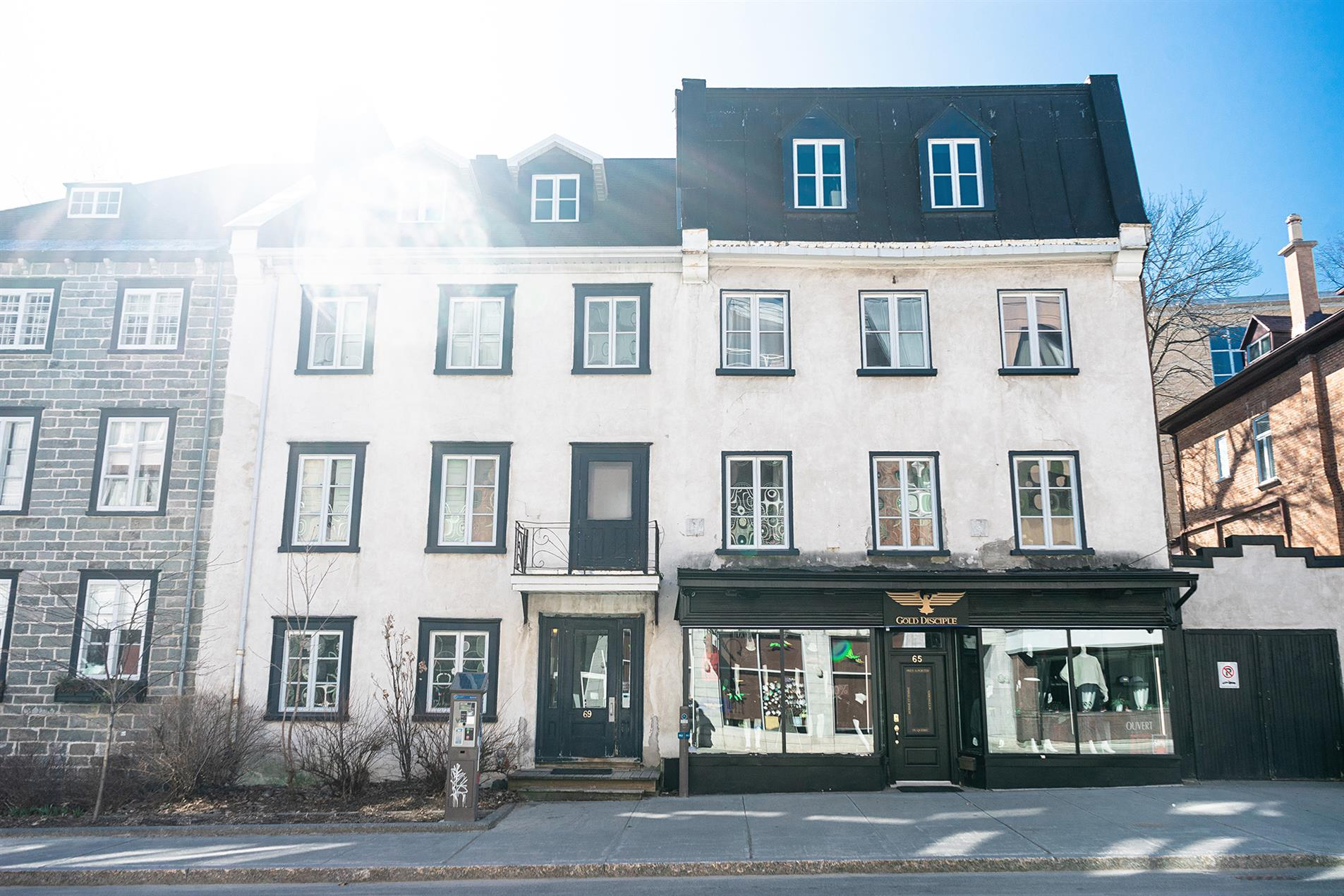
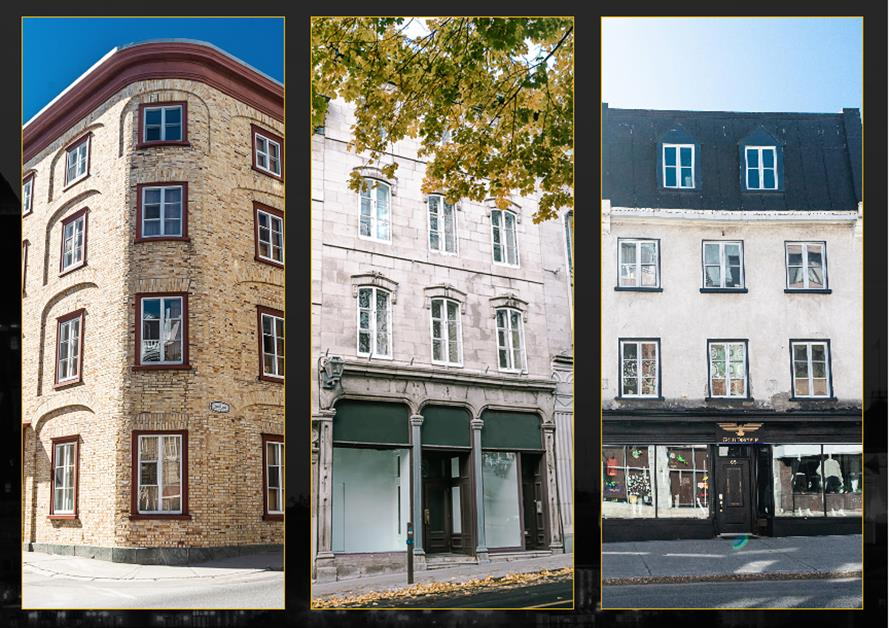
The Groupe Murray, under Frédéric Murray’s leadership, has built precisely this operational infrastructure over nearly two decades. Frederic Murray Management handles the complete operational side for investors who want their portfolios working at full efficiency. Frederic Murray Rentals optimizes the rental performance that drives every other metric. The Immeubles Murray portfolio demonstrates these practices applied at scale across more than 200 units in Quebec City’s best neighborhoods.
Building a Rental Business That Compounds
The landlords whose portfolios outperform over the long term are those who treat rental operations as a discipline rather than an afterthought. Each lease, each repair, each renewal, each tenant interaction either builds value or quietly subtracts from it. The cumulative effect of consistently choosing the value-building option, year after year, compounds into substantially better returns.
For Quebec City landlords looking to upgrade their operations in 2026, whether by improving their own practices or by exploring professional management, contacting Frédéric Murray and the Groupe Murray team provides access to the operational expertise that has built one of the city’s most successful rental portfolios. The conversation often begins with a simple analysis of your current performance and a clear sense of what improvements would deliver the strongest returns.