The language we use to describe rental housing relationships reveals deep assumptions that shape behavior on both sides. “Landlord” evokes authority, control, and extraction. “Tenant” suggests dependency, impermanence, and obligation. These terms, inherited from centuries of feudal property arrangements, frame the relationship as inherently adversarial — one party owns, the other occupies, and the interaction between them is primarily transactional, occasionally contentious, and rarely collaborative.
This framing is not just outdated. It is actively destructive to the financial interests of both parties. Property owners who treat tenants as revenue units to be managed rather than partners to be engaged experience higher turnover, more disputes, greater maintenance costs from neglect-driven damage, and lower long-term returns than owners who approach the relationship differently. Tenants who view their landlord as an adversary to be endured rather than a service provider to be appreciated tend to underreport maintenance issues until they become expensive emergencies, resist reasonable rent adjustments that reflect genuine value improvements, and invest nothing in the care of a space they feel no ownership over.
There is a better model. It begins with reframing the landlord-tenant relationship as what it functionally is — a business partnership where both parties contribute essential elements and both parties benefit when the partnership functions well. The property owner contributes the physical asset, the capital for maintenance and improvements, and the management expertise to keep the property functioning at a high level. The tenant contributes reliable income, physical care of the unit, community participation, and the stability that allows long-term planning and investment. When both parties deliver on their contributions, the result is a relationship that generates superior financial returns for the owner, superior living conditions for the tenant, and a property that appreciates in value because it is genuinely well cared for from both sides.
This guide explores how to build, maintain, and benefit from partnership-oriented rental relationships in the specific context of Quebec’s regulatory environment, cultural expectations, and market dynamics.
Why Partnership Thinking Produces Superior Financial Returns
The financial case for partnership-oriented tenant relationships is not sentimental. It is mathematical. Every dimension of rental property financial performance — vacancy cost, turnover expense, maintenance cost, rent growth, and property value — is measurably improved when tenants are engaged as partners rather than managed as occupants.
Vacancy cost is the most direct financial impact of tenant relationships. Every month a unit sits empty between tenants represents lost revenue that can never be recovered. In Quebec City’s current market, where monthly rents for quality units range from one thousand to two thousand dollars depending on size and location, each month of vacancy costs the owner that full amount plus the ongoing fixed expenses — mortgage interest, property taxes, insurance, and base utilities — that continue regardless of occupancy. A property owner whose partnership approach results in tenants staying an average of four years instead of two years cuts turnover frequency in half, eliminating one vacancy period every four years per unit compared to the transactional operator.
Turnover expense compounds the vacancy cost with direct expenditures required to prepare a unit for a new tenant. Painting, cleaning, minor repairs, advertising, showing the unit to prospective tenants, screening applications, processing paperwork, and conducting move-in inspections all consume time and money. For a typical Quebec City apartment, the combined cost of turnover — including both the vacancy period and the direct preparation expenses — ranges from three thousand to six thousand dollars per occurrence. Reducing turnover by treating tenants as partners worth retaining is one of the highest-return investments a property owner can make.
Maintenance costs decline when tenants feel invested in the property they occupy. Partnership-oriented tenants report minor issues promptly before they escalate into major repairs. They exercise reasonable care with appliances, fixtures, and finishes. They alert the owner to potential problems they observe in common areas or building systems. And they treat the property with a degree of conscientiousness that reflects their psychological investment in a place they consider their home rather than merely their temporary shelter. The cumulative impact on maintenance costs over years of tenancy is substantial.
Rent growth is more sustainable when tenants perceive the relationship as fair and valuable. A tenant who has experienced responsive maintenance, clear communication, and respectful treatment is far more likely to accept a reasonable annual rent adjustment without dispute or departure than a tenant who feels neglected and views any increase as further evidence of exploitation. The ability to implement consistent, moderate rent increases year after year without triggering turnover produces cumulative revenue growth that far exceeds the gains from aggressive one-time increases that drive good tenants away.
Property value benefits from the reputation that partnership-oriented management creates. Buildings known for tenant satisfaction attract higher-quality applicants, experience lower vacancy, and command premium positioning in the rental market. When these buildings are eventually sold, their demonstrated operational performance — low vacancy, stable tenancy, controlled expenses, growing revenue — supports valuations that reflect the management quality embedded in the asset.
The financial tracking and tenant relationship data maintained across properties connected to fredericmurrayrentals.com and fredericmurraymanagement.com consistently demonstrates that the buildings with the strongest tenant partnership cultures deliver the best financial returns across every measurable dimension.
Establishing the Partnership Framework From the First Interaction
Partnership dynamics do not develop spontaneously. They are established through deliberate actions and communications that begin with the very first interaction between owner and prospective tenant and continue through every subsequent touchpoint. The tone, expectations, and behavioral patterns set during the initial leasing process become the foundation on which the entire relationship is built.
The listing and marketing of the unit should communicate not just the physical features of the space but the management philosophy behind it. Language that emphasizes responsiveness, professionalism, and community signals to prospective tenants that this is not just another apartment but a professionally managed living environment where their experience matters. Prospective tenants who are attracted by these signals tend to be exactly the quality of tenant you want — people who value a well-run building and who will contribute positively to its community.
The showing and application process offers the first opportunity for in-person partnership building. Rather than conducting viewings as passive walkthroughs where the landlord opens doors and the applicant looks around, treat the viewing as a two-way conversation. Share information about the building, the neighborhood, and the management approach. Ask the prospective tenant about their priorities, their lifestyle, and what they value most in a living environment. This conversation serves dual purposes — it helps you assess the applicant’s fit with your building’s community, and it communicates to the applicant that you are interested in them as a person, not just as a source of rent.
The lease signing should be more than a paperwork exercise. Walk through the key terms of the lease with the new tenant, explaining not just what the provisions say but why they exist. A noise policy is not about restricting enjoyment — it is about ensuring that every resident can enjoy their home comfortably. A maintenance reporting procedure is not bureaucratic overhead — it is a system designed to address issues quickly before they affect the tenant’s quality of life. When tenants understand the reasoning behind building policies, compliance becomes voluntary rather than coerced, and the policies feel like shared community standards rather than imposed restrictions.
The move-in experience sets the emotional tone for the tenancy. A clean, well-prepared unit communicates respect. A thorough move-in inspection conducted collaboratively communicates transparency. A welcome package with practical information about the building, the neighborhood, and the management team communicates care. These gestures cost little in time and money but create a powerful first impression that shapes the tenant’s attitude toward the landlord, the building, and their own role in maintaining both.
The leasing and onboarding processes practiced across the Murray portfolio — accessible through fredericmurrayrentals.com, fredericmurraylocation.com, and fredericmurrayimmeubles.com — are designed specifically to establish this partnership dynamic from the first moment of contact, creating a foundation of mutual respect and shared expectations that sustains productive relationships over years of tenancy.
Maintaining the Partnership Through Responsive, Transparent Communication
The initial goodwill established during leasing and move-in dissipates quickly if it is not sustained through ongoing actions that reinforce the partnership dynamic. Of all the ongoing actions available to a landlord, responsive and transparent communication has the greatest impact on tenant satisfaction and relationship quality.
Responsiveness means acknowledging tenant communications promptly and addressing the underlying issues within reasonable timeframes. The acknowledgment is almost as important as the resolution. A tenant who submits a maintenance request and receives a same-day response confirming that the issue has been noted, explaining the expected timeline for resolution, and providing a contact for follow-up feels heard and respected even if the actual repair takes several days to schedule. A tenant who submits the same request and hears nothing for a week feels ignored and devalued even if the repair is ultimately completed in the same total timeframe.
Establish and communicate clear response time standards for different categories of issues. Emergency situations — water leaks, heating failure in winter, security concerns — warrant immediate response regardless of time of day. Urgent but non-emergency issues — a malfunctioning appliance, a plumbing problem that does not involve active water damage, a broken lock — should be acknowledged within hours and addressed within one to two business days. Routine requests — cosmetic concerns, minor convenience issues, general questions — should be acknowledged within one business day and addressed within a reasonable timeframe that reflects their priority relative to more urgent matters.
Transparency in communication builds trust over time. When a maintenance issue will take longer to resolve than expected — a common occurrence when parts need to be ordered, specialized contractors need to be scheduled, or the scope of repair proves larger than initially assessed — communicate the delay proactively rather than waiting for the tenant to follow up. When building-wide decisions are being made that will affect tenants — renovations to common areas, changes to service providers, adjustments to building policies — share the reasoning and timeline in advance rather than presenting tenants with surprises.
Proactive communication about positive developments reinforces the partnership dynamic. When you complete a building improvement — new hallway lighting, upgraded security systems, refreshed common area finishes — let tenants know what was done and why. This communication reminds tenants that their rent contributes to ongoing building improvements that enhance their living environment, reinforcing the perception of a fair exchange that is central to the partnership framework.
Regular check-ins with long-term tenants, even when no specific issue exists, demonstrate that the relationship extends beyond transactional maintenance requests. A brief conversation in the hallway, a seasonal note wishing tenants well, or an annual satisfaction inquiry shows that you value the tenant’s presence and perspective. These small investments of time generate disproportionate returns in tenant loyalty and engagement.
The communication standards maintained across the Murray network — fredericmurraymanagement.com, fredericmurrayrentals.com, and fredericmurraylocation.com — reflect the conviction that consistent, transparent communication is the single most powerful tool available for building and sustaining the tenant partnerships that drive long-term rental success.
Navigating Difficult Moments Without Destroying the Partnership
Every landlord-tenant relationship, no matter how well managed, will encounter difficult moments. Late rent payments, noise complaints, maintenance disagreements, lease violations, and rent increases are inherent to the rental relationship and cannot be eliminated entirely. What distinguishes partnership-oriented management from transactional management is how these difficult moments are handled — whether they become relationship-destroying confrontations or relationship-strengthening demonstrations of fairness and professionalism.
Late rent payment is the most common difficult moment and the one most likely to trigger an adversarial response from landlords who feel disrespected or financially threatened. The partnership approach recognizes that in most cases, late payment reflects a temporary circumstance — an unexpected expense, a delayed paycheck, a family emergency — rather than a character deficiency. The first response to a late payment from a previously reliable tenant should be a private, non-judgmental inquiry. A brief message noting that payment has not been received and asking whether everything is alright opens a conversation rather than initiating a conflict. In many cases, the tenant is already aware of the situation and is taking steps to resolve it. Your inquiry demonstrates that you noticed, that you care, and that you expect resolution — all without damaging the relationship.
Repeated late payments require a different response that escalates appropriately while still maintaining dignity and fairness. A frank conversation about the pattern, its impact on your ability to maintain the building, and the need for a reliable payment arrangement addresses the issue directly without personal attacks. If the pattern continues despite this conversation, more formal communication documenting the situation and outlining the consequences of continued non-compliance protects your legal position while providing the tenant with clear information about where the situation is heading.
Noise complaints between tenants require the landlord to function as a mediator rather than a judge. Hear both sides with genuine attention before forming conclusions. Many noise disputes arise from differing lifestyle patterns rather than genuinely unreasonable behavior — a night shift worker whose sleep is disturbed by a young family’s morning activities is experiencing a real problem that is not anyone’s fault. Facilitating a conversation between the tenants, suggesting practical compromises, and following up to confirm that the solution is working demonstrates management competence and community care.
Rent increases, handled clumsily, are one of the most common triggers for tenant departure. The partnership approach to rent increases combines advance notice that exceeds the legal minimum, transparent explanation of the factors driving the increase — rising property taxes, increased insurance costs, capital improvements that benefit tenants — and genuine openness to discussing the tenant’s perspective. A tenant who understands why their rent is increasing and who feels their input was heard is far more likely to accept the adjustment and renew than a tenant who receives a form notice with a number and a deadline.
The difficult-moment management protocols developed through years of experience at fredericmurraymanagement.com and practiced across fredericmurrayimmeubles.com and fredericmurrayrentals.com provide structured, tested approaches for handling every category of challenging situation while preserving the partnership dynamic that both parties benefit from maintaining.
Building Community Within Your Buildings
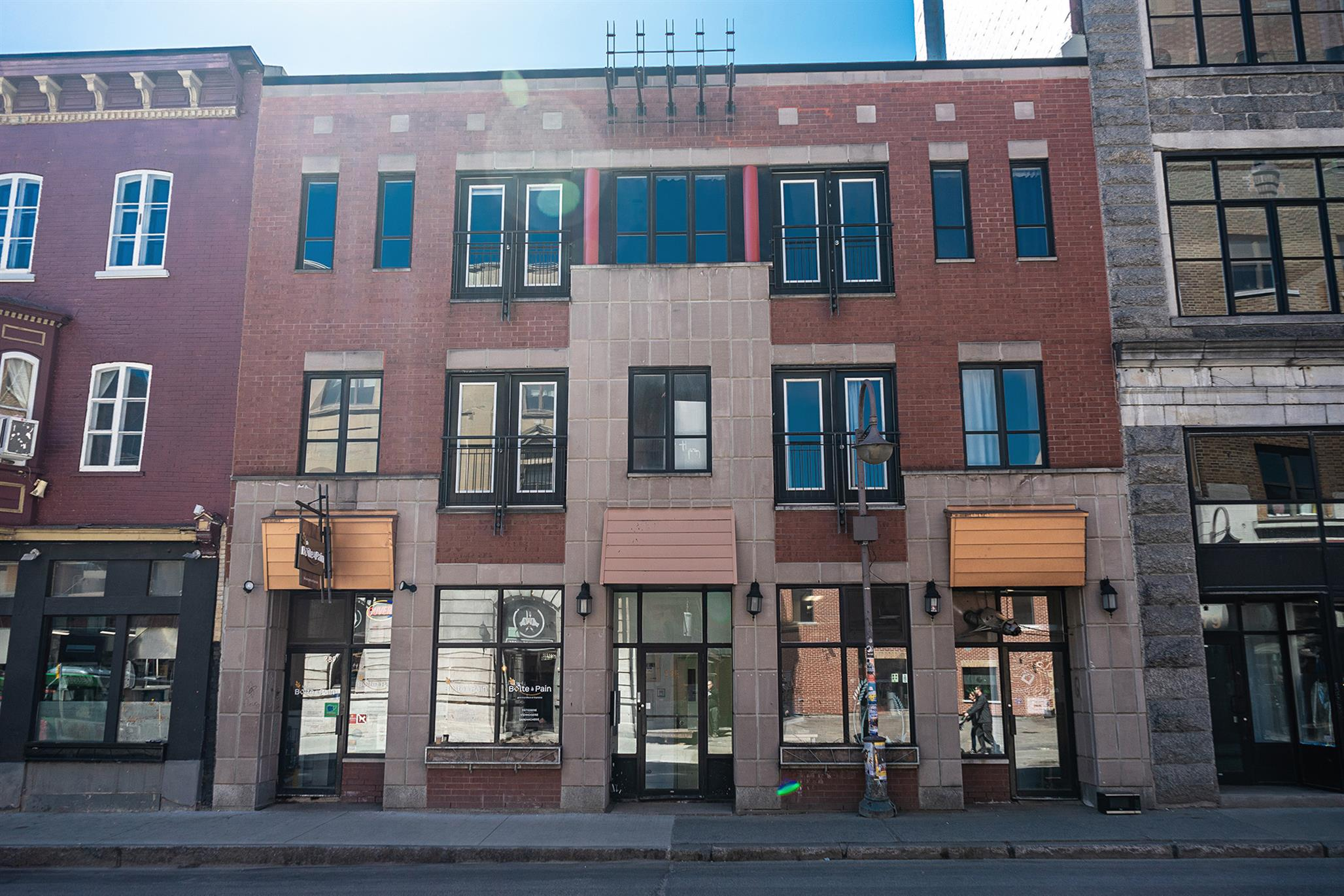
The highest expression of the partnership model is the creation of genuine community within a building. When tenants know their neighbors, look out for each other, take pride in their shared living environment, and feel a sense of belonging that extends beyond the walls of their individual units, the building transcends its function as mere shelter and becomes something more meaningful — a place where people feel they belong.
Community does not require elaborate programming or expensive amenities. It requires the conditions that allow organic social connection to develop. A clean, attractive common area where people feel comfortable lingering encourages brief interactions that gradually build familiarity. Good lighting, clear signage, and maintained landscaping create an environment that residents are proud to come home to and naturally inclined to care for. Building policies that balance individual freedom with collective consideration create the predictable, comfortable environment in which neighborly relationships develop naturally.
Small gestures from management catalyze community formation. A seasonal welcome note that mentions building improvements and thanks tenants for their contribution to the building’s community. A designated area for a community bulletin board where tenants can share recommendations, organize informal activities, or offer items to neighbors. Prompt attention to shared space maintenance that shows tenants their common areas are valued. These gestures cost almost nothing but communicate that the building is more than an investment property — it is a community that its management team actively cares about.
The community dimension of building management has practical financial implications that extend beyond tenant retention. Buildings with strong internal communities experience less vandalism, less noise conflict, more organic self-policing of building rules, and more referral-driven leasing as satisfied tenants recommend the building to friends and colleagues seeking housing. These benefits reduce management costs, improve occupancy stability, and enhance the building’s reputation in the market.
The community-building philosophy is woven into the management approach practiced across every property in the Frédéric Murray network. From the tenant screening and welcoming processes at fredericmurrayrentals.com and fredericmurraylocation.com to the daily operational management at fredericmurraymanagement.com and fredericmurrayimmeubles.com, from the investment strategy that prioritizes building quality at fredericmurrayproperties.com, murrayimmeuble.com, and murrayimmeubles.com to the homeownership guidance at fredericmurrayestates.com and fredericmurrayhomes.com, every element of the Murray ecosystem is built on the understanding that real estate succeeds when people succeed. Buildings are structures. Communities are what give them value. And partnerships between owners and residents are what make communities possible.
The rental industry in Quebec stands at a crossroads. One path continues the adversarial tradition where landlords extract and tenants endure. The other path embraces the partnership model where landlords invest and tenants engage, where communication replaces confrontation, where community replaces anonymity, and where the financial returns that flow from genuine human connection prove that doing right and doing well are not competing objectives but complementary ones. The Frédéric Murray network has been walking this second path for nearly two decades, and the results — measured in tenant satisfaction, property performance, and community vitality across Quebec City — confirm that the partnership approach is not idealism. It is the most effective business strategy available to anyone who owns rental property in this remarkable city.