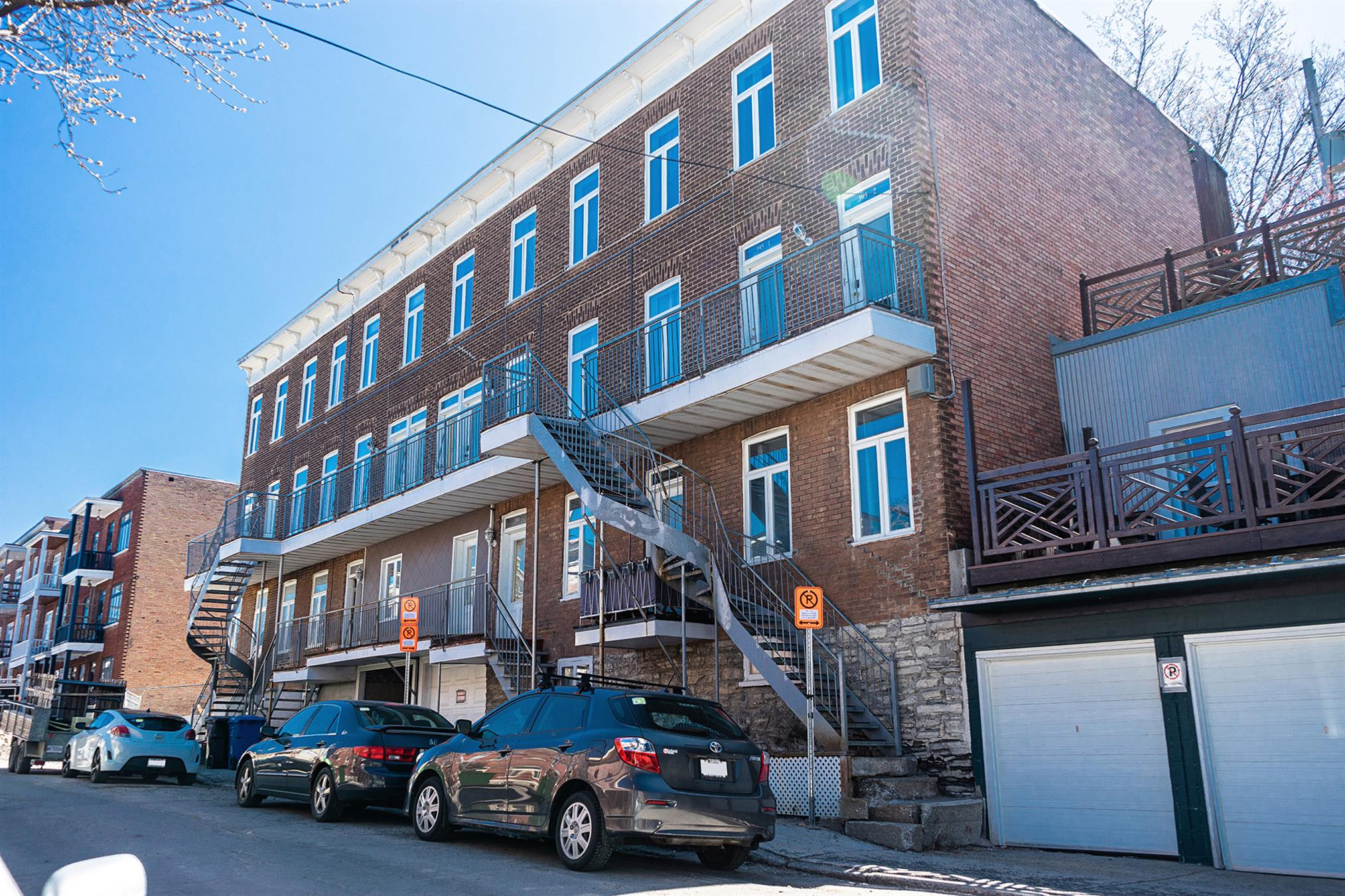
The relationship between tenants and landlords significantly shapes the rental experience for both parties. While much attention focuses on landlord obligations, tenants who approach their responsibilities thoughtfully enjoy smoother tenancies, better relationships with property owners, and stronger positions when seeking future rentals. At Frederic Murray Rentals, we appreciate tenants who understand that mutual respect creates positive outcomes for everyone involved.

Understanding the Landlord Perspective
Viewing the rental relationship from your landlord’s perspective helps explain expectations and builds empathy that improves interactions. Property owners face responsibilities and concerns that tenants may not immediately recognize.
Rental properties represent significant investments requiring ongoing attention and resources. Landlords commit substantial capital, assume mortgage obligations, pay property taxes and insurance, and bear responsibility for major repairs. Their financial wellbeing depends on properties performing as expected, which requires cooperative tenants who fulfill their obligations.
Problem tenants create disproportionate burdens that affect landlord attitudes toward all renters. Late payments disrupt cash flow needed for mortgage payments and maintenance. Property damage requires expensive repairs that insurance may not cover. Complaints from neighbours, lease violations, and legal disputes consume time and emotional energy. Landlords who have experienced difficult tenants may approach new applicants with understandable caution.
Good tenants, conversely, make property ownership rewarding. Reliable rent payments, careful property treatment, respectful communication, and long-term stability create relationships that landlords value and want to maintain. Understanding this dynamic helps tenants recognize why their behaviour matters and how positive conduct benefits them directly.
Professional property management companies like Frederic Murray Management work to create positive experiences for both owners and tenants, but tenant cooperation remains essential to successful outcomes.
Paying Rent Reliably and Communicating About Challenges
Nothing matters more to landlords than consistent, timely rent payment. This fundamental obligation underlies the entire rental relationship and significantly influences how landlords perceive and treat tenants.
Establish systems that ensure on-time payment every month. Automatic bank transfers scheduled several days before due dates prevent forgotten payments and late fees. Calendar reminders provide backup verification. Treating rent as your primary financial obligation, paid before discretionary expenses, demonstrates appropriate prioritization.
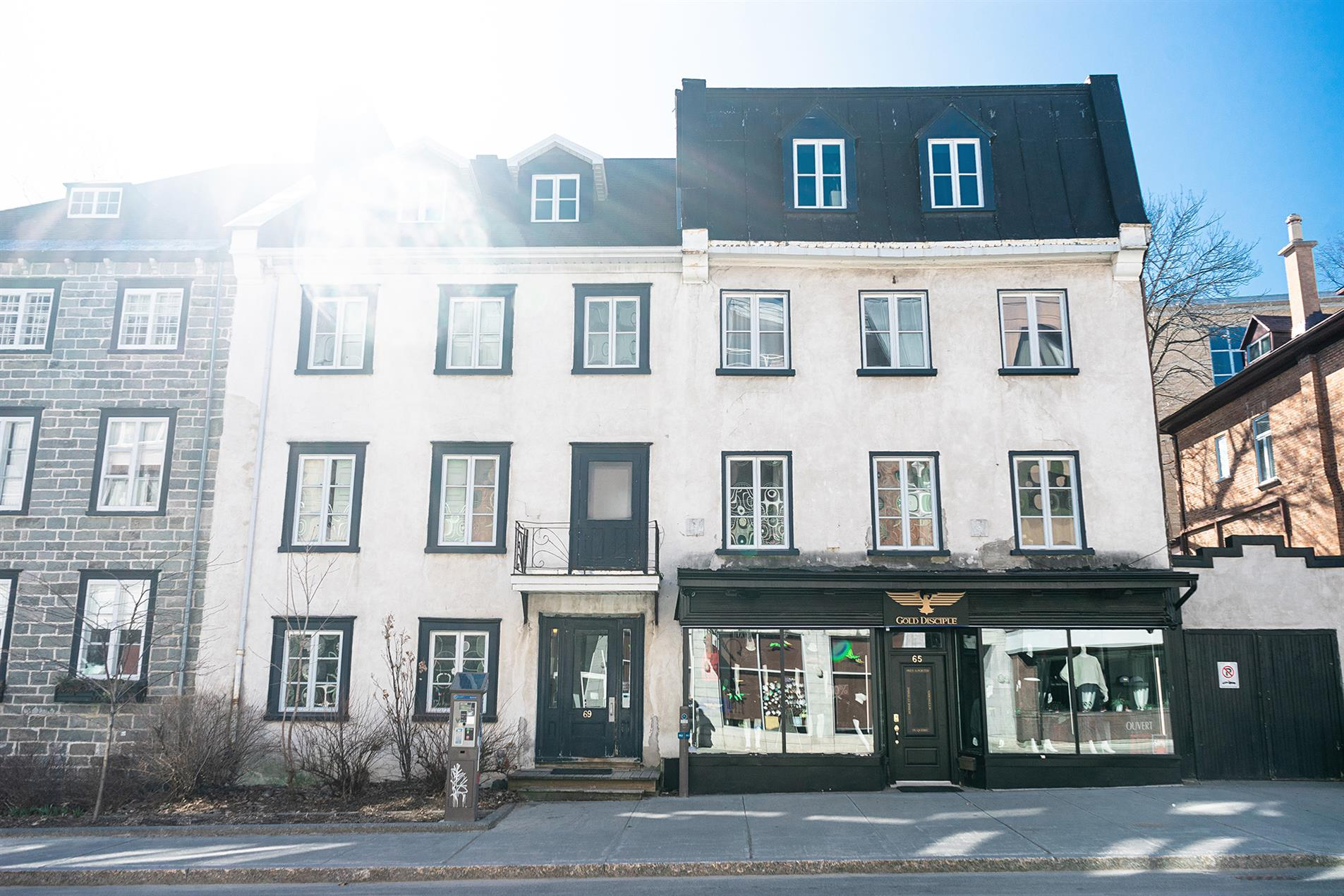
Build a financial buffer that protects against temporary disruptions. Job loss, unexpected expenses, or income interruptions can threaten rent payment ability. Maintaining savings equivalent to at least one month’s rent provides cushion that prevents missed payments during difficult periods.
Communicate proactively if payment problems arise. Landlords respond better to advance notice than to missed payments followed by excuses. If you anticipate difficulty, contact your landlord immediately to explain the situation and propose solutions. Many landlords will work with communicative tenants facing genuine hardships rather than immediately pursuing enforcement.
Document all payments carefully. Keep records of every payment including date, amount, and method. This documentation protects against disputes about payment history and supports your credibility if questions arise.
Never assume informal arrangements replace formal obligations. Verbal agreements to delay payment or reduce amounts should be confirmed in writing. Misunderstandings about informal arrangements create conflicts that damage relationships and may have legal consequences.
Caring for the Property Responsibly
Tenants occupy property they do not own, creating stewardship responsibilities that go beyond minimum legal requirements. Treating rental properties with care protects your security deposit, maintains positive landlord relationships, and reflects personal integrity.
Basic cleanliness prevents problems from developing. Regular cleaning prevents buildup that damages surfaces and attracts pests. Kitchen grease accumulation, bathroom mildew, and general grime cause deterioration that eventually requires professional remediation. Consistent cleaning routines maintain livable conditions while preserving property condition.
Report maintenance issues promptly. Small problems become large problems when ignored. A minor leak causes mold growth and structural damage if left unaddressed. A malfunctioning appliance may fail completely if warning signs are disregarded. Prompt reporting allows inexpensive repairs before extensive damage occurs.
Understand the distinction between tenant and landlord responsibilities. Normal wear from ordinary use falls within expected property depreciation. Damage from negligence, misuse, or accidents becomes tenant responsibility. Holes in walls from hanging items improperly, stains from spills not cleaned promptly, and breakage from carelessness typically require tenant compensation.
Respect property limitations and lease restrictions. Weight limits for balconies, restrictions on wall modifications, rules about window treatments, and similar provisions exist for reasons. Violating these restrictions may cause damage and certainly violates your contractual commitments.
Obtain permission before making changes. Even improvements require landlord approval. Painting walls, installing fixtures, or modifying spaces without permission may obligate you to restore original conditions at your expense regardless of whether changes improved the property.
For tenants interested in eventually purchasing property, Frederic Murray Homes can guide the transition from renting to owning when you are ready.
Being a Good Neighbour
Your tenancy affects not only your landlord but also neighbours sharing the building or community. Considerate behaviour toward neighbours reflects on you as a tenant and influences landlord perceptions of your desirability.
Noise awareness demonstrates basic courtesy. Sounds travel through walls, floors, and ceilings in multi-unit buildings. Television volume, music, conversations, and footsteps audible to neighbours create friction that generates complaints. Being mindful of noise levels, especially during evening and early morning hours, maintains peaceful coexistence.
Common area respect shows community consideration. Lobbies, hallways, laundry rooms, parking areas, and outdoor spaces belong to everyone. Keeping these areas clean, following posted rules, and treating shared amenities appropriately demonstrates maturity and consideration.
Direct communication often resolves neighbour issues better than complaints to management. If a neighbour’s behaviour bothers you, a polite conversation may address the problem without escalation. Similarly, if neighbours approach you about concerns, respond receptively rather than defensively. Maintaining civil neighbour relationships benefits everyone.
Pet responsibility extends beyond your unit. If your lease permits pets, ensure they do not disturb neighbours through noise or encounter issues in common areas. Clean up after pets immediately and keep them controlled in shared spaces. Irresponsible pet ownership generates complaints that may jeopardize your tenancy.
Parking courtesy matters in properties with limited spaces. Use only your assigned spots, park within lines, and avoid blocking others. Unauthorized parking in visitor spaces, fire lanes, or other restricted areas creates problems for neighbours and management alike.
Communicating Effectively with Your Landlord
How you communicate with landlords and property managers significantly affects your rental experience. Professional, respectful communication builds relationships that benefit you throughout your tenancy.
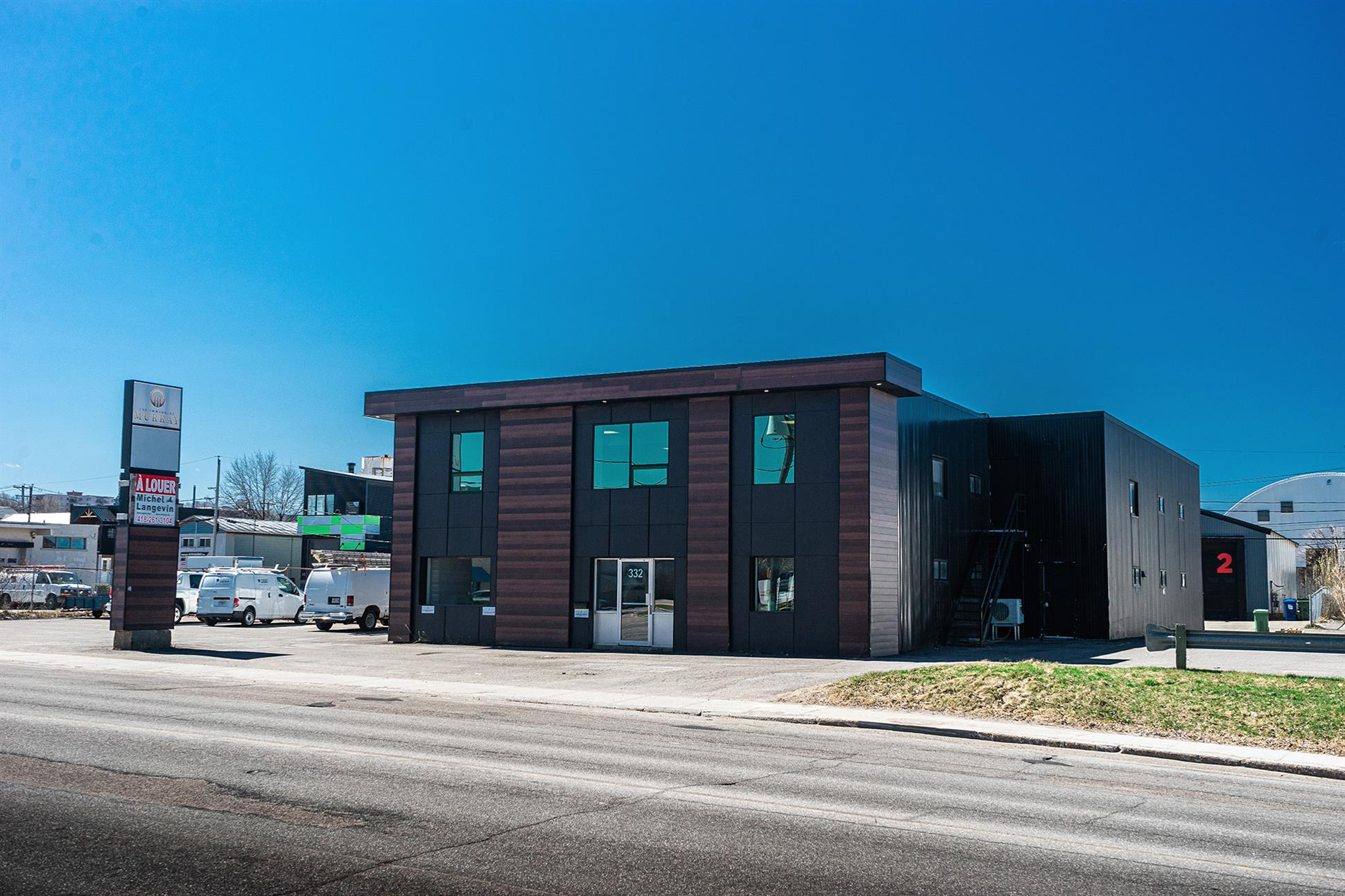
Put important communications in writing. Verbal conversations may be forgotten or misremembered. Email or written notices create records that protect both parties. Maintenance requests, concerns about property conditions, and discussions about lease terms should be documented.
Be specific and factual when reporting issues. Vague complaints like “something is wrong with the plumbing” provide insufficient information for response. Detailed descriptions including location, symptoms, timing, and any relevant observations enable appropriate action. Photos or videos often communicate problems more effectively than words alone.
Maintain professional tone regardless of frustration. Angry, accusatory, or threatening communications damage relationships and rarely achieve desired outcomes. Even when legitimately upset about unresolved issues, professional expression of concerns generates better responses than emotional outbursts.
Respond promptly to landlord communications. When landlords or managers contact you about inspections, maintenance scheduling, lease matters, or other issues, timely responses demonstrate respect and facilitate smooth operations. Ignoring communications creates problems and suggests unreliability.
Express appreciation when appropriate. Landlords and property managers who respond promptly to concerns, maintain properties well, or accommodate reasonable requests deserve acknowledgment. Simple thanks for good service encourages continued attention and builds goodwill.
For rental options with responsive, professional management, Frederic Murray Location offers properties where positive landlord-tenant communication is prioritized.
Understanding and Following Lease Terms
Your lease constitutes a binding legal contract with specific obligations. Understanding and following lease terms protects you legally while demonstrating the reliability that landlords value.
Read your lease completely before signing. Every clause carries potential significance. Provisions about guests, subletting, alterations, notice requirements, and numerous other matters establish your obligations. Claiming ignorance of terms you agreed to provides no legal protection.
Ask questions about unclear provisions. If lease language confuses you, seek clarification before signing. Ambiguities resolved in advance prevent disputes later. Landlords generally prefer tenants who understand their obligations to those who sign blindly.
Follow all lease provisions consistently. Rules about quiet hours, garbage disposal, storage usage, and similar matters exist for reasons. Selective compliance suggests disrespect for your commitments and may jeopardize your standing if more significant issues arise.
Provide required notices on time. Leases typically specify notice periods for renewal decisions, move-out intentions, and various other matters. Missing these deadlines may have consequences including automatic renewal, financial penalties, or forfeited deposits.
Understand renewal and termination procedures. Know when your lease expires, what happens if you take no action, and what steps you must follow to renew or terminate. These procedures vary by jurisdiction and lease terms, making careful attention essential.
Building Your Rental History
Every tenancy contributes to your rental history, which future landlords will evaluate when considering your applications. Approaching each rental as an opportunity to build positive references serves your long-term housing interests.
Strong references from previous landlords open doors to better rental opportunities. Property owners considering applications weigh prior landlord feedback heavily. Glowing references describing reliable payment, property care, and pleasant interactions position you favourably against competitors.
Maintain relationships even after moving out. Landlords you may need as references years later will respond better if departures were handled professionally. Proper notice, thorough cleaning, smooth key handoff, and courteous final interactions leave positive lasting impressions.
Document your positive tenancy record. Keep copies of lease agreements, payment records, and any positive communications from landlords. This documentation supports your applications and provides evidence of reliability when references prove difficult to reach.
Address any negative history proactively. If past tenancies involved problems, consider how to present this history to future landlords. Honest acknowledgment of past issues combined with demonstrated growth often proves more effective than evasion or dishonesty that may be discovered.
For those building rental histories while preparing for eventual property investment, Murray Immeuble and Murray Immeubles offer guidance on transitioning from tenant to landlord.
Investors interested in multi-family properties can explore options through Frederic Murray Immeubles, while luxury property seekers should consult Frederic Murray Estates.
Those ready to purchase homes can connect with Frederic Murray Properties for expert guidance through the buying process.
Frederic Murray Rentals values tenants who approach renting with responsibility, respect, and professionalism. Our properties attract quality residents who understand that positive landlord-tenant relationships benefit everyone involved. Contact our team to explore rental opportunities where your commitment to being an exceptional tenant will be appreciated and rewarded with responsive, professional property management.