Owning a rental property and operating a high-performing rental property are two entirely different things. The first is simply a transaction — you purchased an asset and placed tenants in it. The second is an ongoing discipline that requires deliberate decisions about positioning, presentation, pricing, tenant selection, and management that compound into meaningfully better financial outcomes over time.
In 2026, the gap between well-optimized rental properties and mediocre ones has widened considerably. Tenants have more information, higher expectations, and more choices than at any previous point in the modern rental market. Properties that meet those expectations lease quickly, attract responsible tenants, and retain them for multiple terms. Properties that fall short sit vacant longer, attract applicants who were rejected elsewhere, and generate the kind of turnover costs and management headaches that quietly erode returns year after year.
At Frederic Murray Rentals, we have worked with property owners across a wide range of asset types and market conditions to identify what separates consistently high-performing rentals from underperforming ones. The answer is almost never luck or location alone. It is strategy, execution, and the willingness to treat a rental property as the serious business investment it actually is. This guide lays out the full framework for doing exactly that.
Start With an Honest Assessment of Your Property
Before you can optimize a rental property’s performance, you need an accurate picture of where it currently stands — not through the eyes of an owner who has lived with the property’s quirks for years, but through the eyes of a prospective tenant encountering it for the first time.
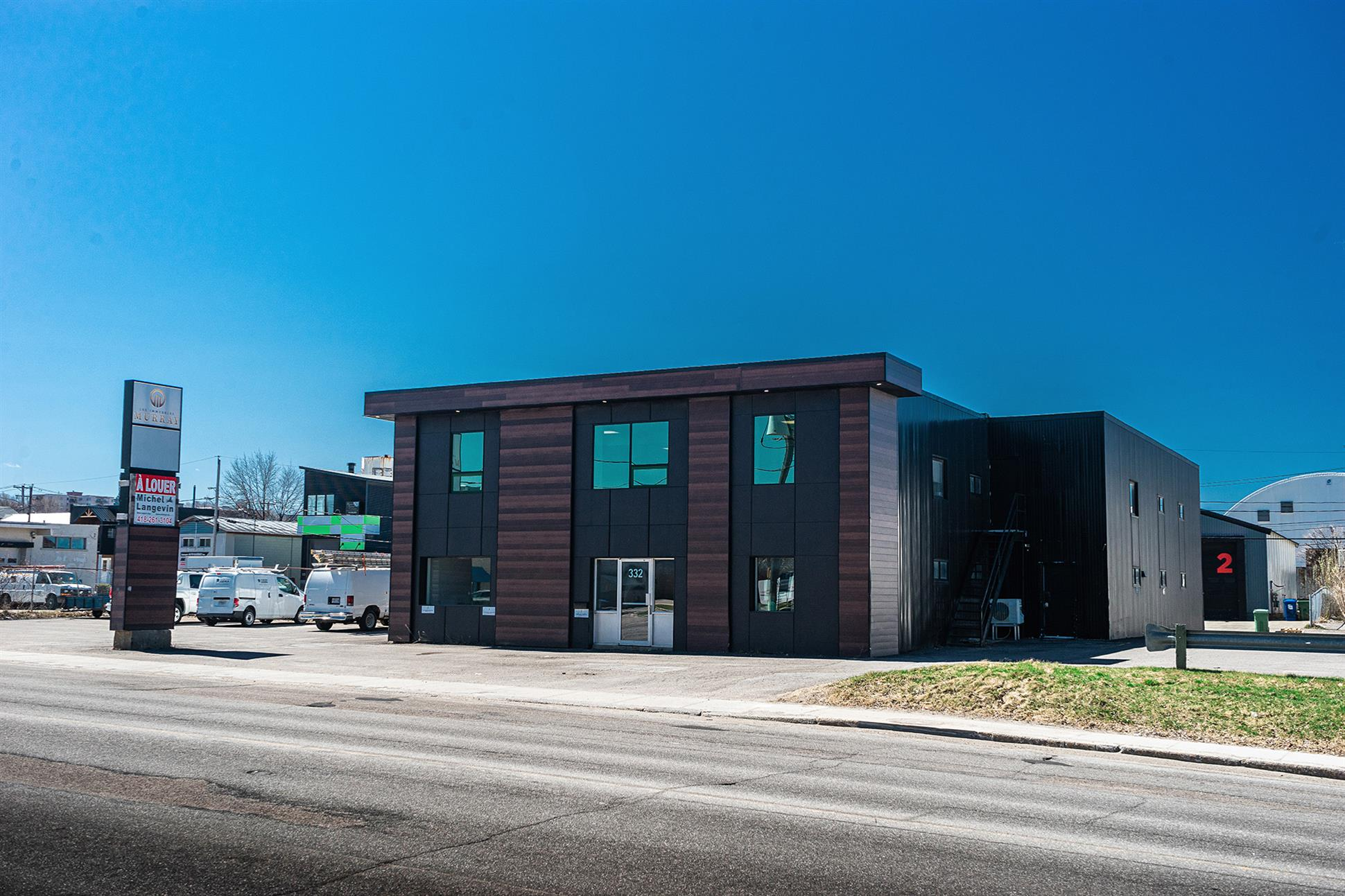
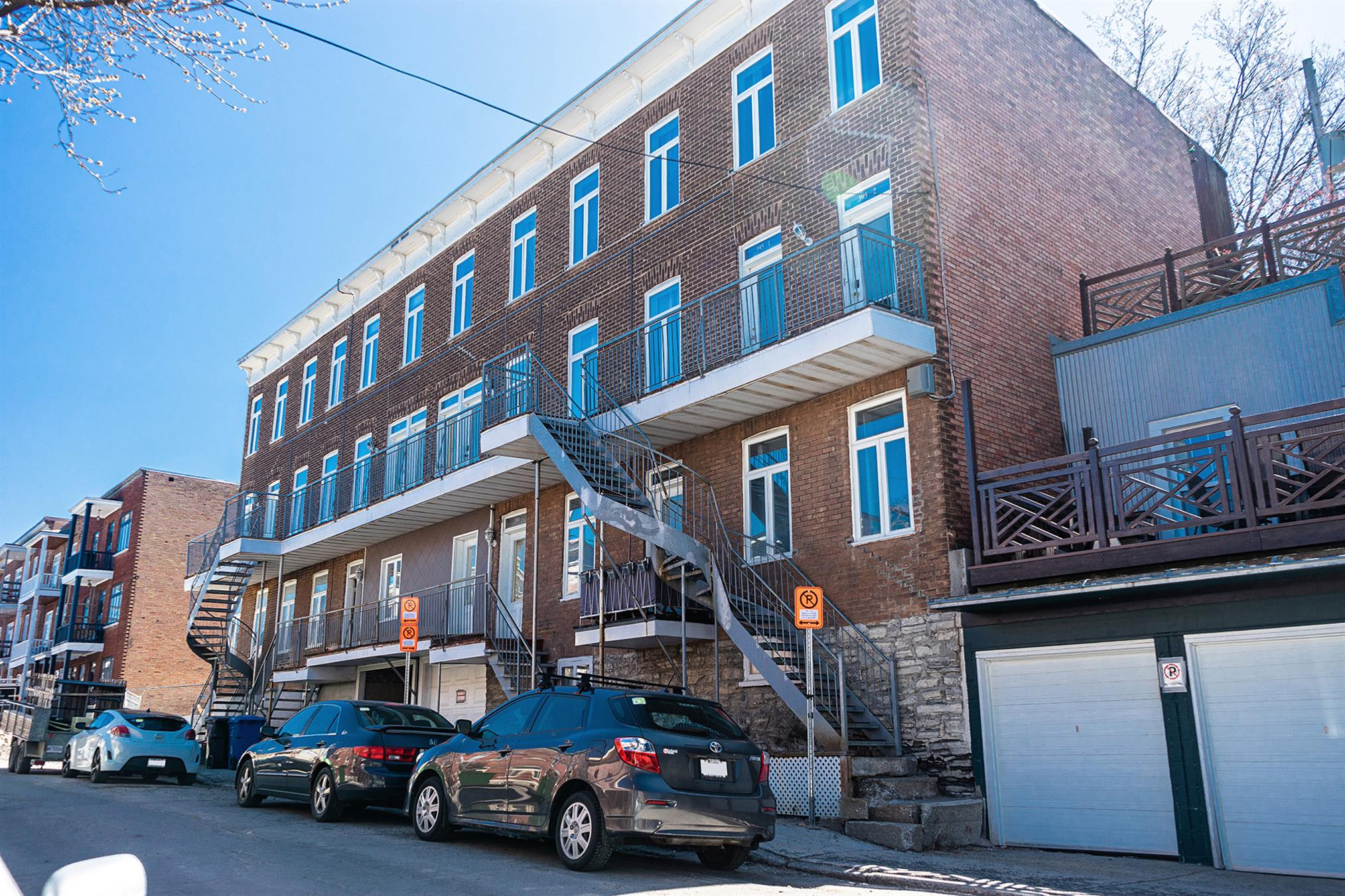
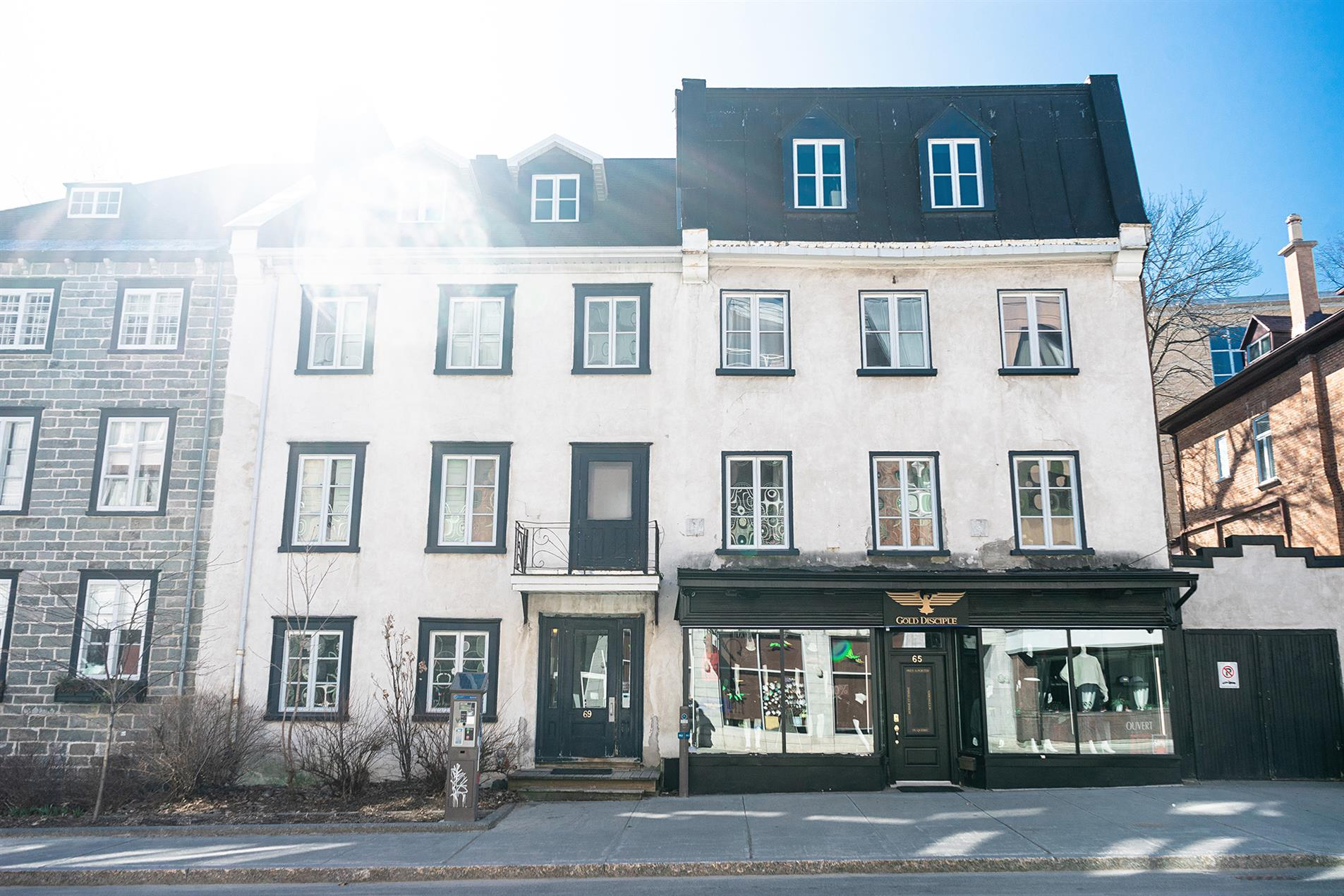
Walk through the property as a stranger would. Stand at the curb and look at the building from the street. Is the exterior clean and well-maintained? Is the landscaping tidy? Does the entrance feel welcoming or neglected? First impressions in rental viewings are formed in the first thirty seconds, and those impressions are extraordinarily difficult to reverse once established. A tenant who arrives and feels underwhelmed by the exterior is already looking for reasons to justify moving on rather than reasons to sign a lease.
Inside the property, assess each space with the same critical detachment. Are the walls freshly painted in colors that feel clean and current rather than dated? Are the floors in good condition? Do all appliances function properly and appear in reasonable cosmetic shape? Are there any visible maintenance issues — leaking fixtures, damaged cabinetry, stained ceilings — that would immediately signal neglect to an incoming tenant? Does natural light move through the main living spaces in a way that makes them feel inviting, or do they feel dark and closed?
Document what you find honestly and categorize each item by the investment required and the return it is likely to deliver in the form of faster leasing, higher achievable rent, or better tenant quality. Not every improvement delivers equal return, and spending renovation budget in the right places is as important as spending it at all. The rental specialists at Frederic Murray Rentals and Frederic Murray Properties offer property assessments that give owners an objective, market-informed picture of exactly where their investment stands and where targeted improvement would generate the strongest returns.
Make Targeted Improvements That Tenants Actually Value
Not all improvements are created equal from a rental performance standpoint. Renovations that dramatically improve the owner’s personal enjoyment of a space do not always translate into higher rents or faster leasing. Understanding what today’s tenants actually prioritize — and investing accordingly — is the foundation of smart pre-rental improvement strategy.
In 2026, the improvements that consistently deliver the strongest rental return fall into several clear categories. Kitchen updates are among the highest-impact investments available to rental property owners. Tenants in today’s market spend significant time in kitchen spaces and are acutely sensitive to how functional and current they feel. Full kitchen renovations are rarely necessary — replacing dated hardware, installing a new faucet, updating light fixtures, and refinishing or replacing cabinet fronts can transform the feel of a kitchen at a fraction of the cost of a gut renovation while delivering a measurable premium in achievable rent.
Bathroom condition carries similar weight in tenant decision-making. A clean, updated bathroom with functioning fixtures, adequate storage, and good lighting reads as a well-maintained property. A bathroom with outdated fixtures, poor ventilation, or visible mildew reads as a poorly maintained one — regardless of the quality of every other space in the unit.
Energy efficiency improvements are increasingly valued by tenants in 2026 in a way that was not true even five years ago. Smart thermostats, efficient lighting, proper weatherstripping and insulation, and modern appliances with strong energy ratings reduce monthly utility costs for tenants and represent a concrete financial benefit that landlords can legitimately incorporate into their rental value proposition. Properties with documented energy efficiency profiles are leasing at premiums in most markets and experiencing stronger tenant retention because the financial benefit of lower utility costs compounds month after month throughout the tenancy.
In-suite laundry, where it is physically feasible to install, remains one of the single highest-impact amenity additions a landlord can make to a rental property. The convenience premium tenants place on not sharing laundry facilities or visiting a laundromat consistently translates into both faster leasing and measurably higher achievable rent across virtually every market segment.
Price the Property Where the Market Actually Is
Rental pricing is both the most impactful and the most commonly mishandled variable in rental property optimization. Property owners who price based on what they need to cover their mortgage payment, what they charged the previous tenant, or what they found on a single listing site are all pricing from the wrong starting point. The correct starting point is always current market evidence — what similar properties in the same area are actually leasing for right now, not six months ago and not in a different neighborhood.
In 2026, rental market data is more accessible than it has ever been, but interpreting that data correctly still requires local expertise. An average rent figure for a city or neighborhood tells you very little about what a specific unit on a specific street in a specific condition should command. The relevant comparables are properties that are genuinely similar to yours in size, configuration, condition, included utilities and amenities, and proximity to the demand drivers — transit, employment centers, schools, and services — that tenants in your target demographic actually prioritize.
Overpricing a rental unit in 2026 carries a cost that most landlords systematically underestimate. A unit priced 8% above market that sits vacant for six weeks while the landlord waits for a tenant willing to pay the premium has already lost more in vacancy than any theoretical rent premium would recover for the remainder of a twelve-month lease. The math almost never favors overpricing, and the secondary cost — attracting lower-quality applicants because the best-qualified tenants in the market have moved on to accurately priced alternatives — compounds the problem beyond the simple arithmetic of lost rent.
The rental market analysts at Frederic Murray Management and Frederic Murray Location provide owners with current, property-specific rental market analysis that takes the guesswork out of pricing decisions and positions every rental for the fastest possible leasing at the strongest defensible rate the market will support.
Create a Listing That Competes for Attention
In 2026, your rental listing is your property’s first showing, and in most cases it is the showing that determines whether a prospective tenant books an in-person viewing or moves on to the next option in their search results. The quality of that digital first impression is not a minor detail — it is a primary driver of inquiry volume and ultimately of how quickly your unit leases and at what price.
Professional photography is the single highest-impact investment in listing quality available to rental property owners. The difference between a well-lit, properly composed professional photograph and a dimly lit smartphone snapshot of the same room is not subtle — it is the difference between a space that looks inviting and livable and one that looks small, dark, and unappealing. In a market where tenants are scrolling through dozens of listings and making split-second decisions about which ones to investigate further, that visual difference translates directly into inquiry volume.
Beyond photography, the written description of your property needs to communicate its genuine value proposition clearly and specifically. Generic descriptions that list the number of bedrooms and the presence of a kitchen tell prospective tenants nothing that the basic listing details do not already convey. Effective rental descriptions speak to what it actually feels like to live in the space — the quality of natural light, the character of the neighborhood, the convenience of nearby amenities, the specific features that set this property apart from comparable options at a similar price point.
Distribution matters as much as quality. A beautifully photographed listing with a compelling description that reaches only a fraction of the relevant tenant pool will still underperform a moderately presented listing that achieves broad distribution across every platform where your target tenants are actively searching. Frederic Murray Rentals and Frederic Murray Homes deploy listings across the full spectrum of relevant platforms simultaneously, maximizing exposure to the qualified tenant pool from the moment a unit becomes available.

Select Tenants Who Will Protect Your Investment
The tenant you place in your rental property has more impact on its long-term financial performance than almost any other decision you will make as a property owner. A great tenant pays reliably, cares for the property, communicates proactively when issues arise, and renews their lease at the end of each term — eliminating the vacancy costs, turnover expenses, and administrative burden that come with frequent tenant changes. A problematic tenant reverses every operational gain you have worked to achieve and introduces costs — unpaid rent, property damage, legal fees, and the extended vacancy following an eviction — that can take years of normal rental income to absorb.
Thorough, consistent tenant screening is therefore not a bureaucratic formality — it is one of the highest-return activities in rental property management. Every applicant should be evaluated on the same documented criteria covering credit history, verified income, rental history confirmed through direct landlord contact, and employment stability. The income standard most professional managers apply in 2026 — gross monthly income of at least three times the monthly rent — exists because it is the threshold below which rent payment stress becomes statistically significant, not because it is an arbitrary barrier.
References from previous landlords deserve particular attention and deserve to be verified through actual phone contact rather than accepted as written documents that applicants have provided themselves. The questions worth asking a previous landlord are specific: Did the tenant pay on time consistently? Did they give proper notice when they vacated? Did they leave the unit in good condition? Would you rent to them again? The answers to those four questions tell you more about what to expect from an applicant than any combination of credit score and income verification alone.
Build a Tenant Relationship That Encourages Renewal
Tenant acquisition is expensive. Between vacancy periods, listing costs, showing time, application processing, and the cleaning and preparation required between tenancies, the full cost of tenant turnover typically amounts to one to two months of rental income when all factors are accounted for properly. Retaining a good tenant at renewal time is almost always more economical than replacing them, even when a modest rent adjustment is required to make the renewal attractive.
In 2026, the landlord behaviors that most reliably drive tenant renewal decisions are straightforward. Responding to maintenance requests promptly and following through until the issue is fully resolved communicates to tenants that their comfort and the condition of the property are taken seriously. Communicating proactively about building matters — planned maintenance, seasonal reminders, any changes to policies or procedures — builds a relationship of transparency that tenants value. Treating tenants as the customers they are — respectfully, professionally, and without the casual neglect that characterizes poorly managed rental relationships — creates the kind of tenancy experience that people are genuinely reluctant to leave.
The property managers at Frederic Murray Management, Frederic Murray Immeubles, and Murray Immeubles implement structured tenant communication and maintenance response systems that consistently produce renewal rates well above the market average — because they understand that tenant retention is not a soft, relationship-driven nicety. It is a hard financial metric that directly determines the annual return a rental property generates for its owner.
Track the Numbers and Optimize Continuously
A high-performing rental property in 2026 is not a fixed state that you achieve once and maintain indefinitely without attention. It is a moving target that requires ongoing monitoring and periodic recalibration as market conditions evolve, the property ages, and tenant demographics in your area shift.
At a minimum, review your rental property’s financial performance annually against a clear set of benchmarks. Compare your current rent against updated market comparables to determine whether you are capturing the property’s full market rate or leaving meaningful income on the table. Review your operating expenses line by line to identify any cost categories that are running above what comparable properties typically incur. Calculate your actual vacancy rate for the year and compare it against the market average for your property type and location. Assess your maintenance expenditure relative to the property’s age and condition to determine whether you are managing proactively or reactively.
This annual review process, supported by the kind of detailed financial reporting that Frederic Murray Rentals and Frederic Murray Estates provide to every owner under management, gives you the data foundation to make informed optimization decisions rather than operating on assumptions and instinct. Real estate investment rewards the investor who pays attention — who notices when performance is drifting below potential and takes corrective action before a small gap becomes a large one.
Your Rental Property Should Work as Hard as You Did to Buy It
Every rental property has a performance ceiling determined by its location, its condition, and the quality of its management. The distance between where a property is currently performing and where it could be performing represents real money — monthly rental income that is either being captured or left unrealized, vacancy days that are either being minimized or unnecessarily extended, tenant relationships that are either being cultivated into long-term tenancies or allowed to churn through costly turnover cycles.
Closing that gap does not require a complete renovation or a dramatic intervention. In most cases it requires honest assessment, targeted improvement, accurate pricing, professional presentation, rigorous tenant selection, and consistent, responsive management — executed with discipline and with the benefit of current local market knowledge that turns good intentions into measurable results.
The team at Frederic Murray Rentals brings every one of those elements to every property we work with, because we know that a rental property optimized to its full potential does not just generate better returns today — it builds the kind of track record, asset condition, and tenant stability that makes it more valuable tomorrow. Reach out to us today and let us show you exactly what your rental property is capable of.