Most landlords think about rental income in one dimension: the monthly rent amount. When they want to increase returns, they raise the rent. When the rent hits what the market will bear, they feel stuck. But the landlords who consistently generate the strongest returns from their Canadian rental properties are not simply charging the highest possible rent — they are managing their properties in ways that reduce costs, minimize vacancy, retain good tenants longer, and increase the overall net income the property produces every year.
The difference between a rental property that performs well and one that underperforms is rarely the rent amount alone. It is the total picture — how the property is positioned, how it is managed, how tenants are selected and retained, and how costs are controlled across the full operating cycle.
Frederic Murray Rentals works with landlords across Canada who want more from their rental properties — not just higher rents, but better returns, less stress, and assets that compound in value over time.
Understanding the Real Drivers of Rental Property Performance
Before optimizing anything, it helps to understand where rental income actually gets lost. Most landlords focus almost exclusively on the top line — how much rent they are collecting. The better question is how much of the potential income the property is actually delivering, net of vacancy, turnover costs, maintenance, and inefficiencies in the operating cycle.
The gap between a property’s gross potential income and its actual net operating income is called effective income loss, and it comes from several predictable sources.
Vacancy is the most obvious and most expensive. Every week a unit sits vacant costs more than most landlords instinctively calculate. On a unit renting for $2,000 per month, a single month of vacancy represents $2,000 in lost income plus the typical turnover costs of cleaning, touch-up painting, advertising, and time spent showing the unit and screening applicants. Across a building with multiple units, vacancy patterns compound quickly into a meaningful drag on annual returns.
Tenant turnover is the engine that drives vacancy. High turnover means frequent vacancies, frequent re-leasing costs, and the constant risk of a gap between tenancies. The landlords who hold onto good tenants for three, four, and five years are not just saving on turnover costs — they are eliminating the single biggest recurring expense in their operating model.
Deferred maintenance compounds silently. Small repairs deferred become large repairs accelerated. A building that is not maintained proactively costs more to repair reactively, and it deteriorates faster — reducing both its rental appeal and its long-term asset value. The maintenance spending that landlords cut to preserve short-term cash flow often costs them multiples of the saving in accelerated capital expenditure.
Below-market rents on occupied units are a form of income loss that many landlords accept passively. In rent-controlled markets, bringing rents to market requires turnover — a tension that shapes the entire revenue strategy for properties subject to provincial rent control guidelines. Understanding this dynamic and managing it deliberately is essential for maximizing income within the legal framework.
The Highest-Leverage Thing a Landlord Can Do: Retain Good Tenants
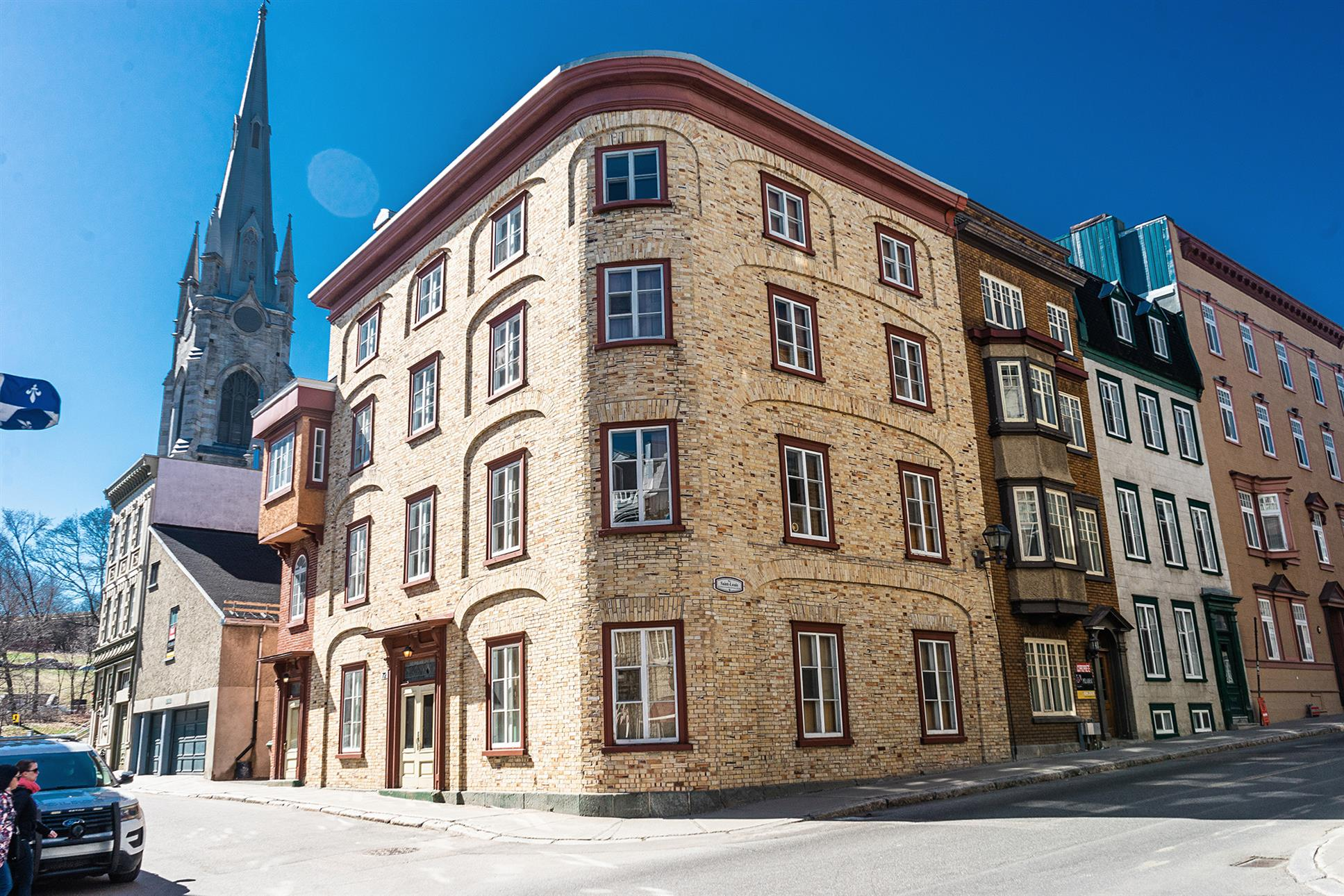
Tenant retention is the single highest-leverage activity available to most Canadian landlords, and it is the one that receives the least deliberate attention. The math is straightforward: a tenant who renews their lease for a third or fourth consecutive year generates income with zero vacancy gap, zero re-leasing cost, and zero uncertainty about payment reliability. The value of that continuity, measured in avoided costs and preserved income, is substantial.
What drives tenant retention is simpler than most landlords expect. Tenants who stay long-term are almost universally those who feel that their landlord is responsive, that the property is well-maintained, and that they are being treated fairly. These are not complicated demands — they are the baseline of a functional landlord-tenant relationship, and they are consistently underdelivered in the Canadian rental market.
Maintenance responsiveness is the foundation. The fastest way to lose a good tenant is to be slow or indifferent when something breaks. Tenants who submit maintenance requests and hear nothing for a week do not feel valued. They start looking. Landlords who respond to maintenance requests within 24 hours — even if only to acknowledge the request and provide a timeline — retain tenants at dramatically higher rates than those who treat maintenance as a cost to be deferred as long as possible.
Proactive communication builds loyalty. Tenants who receive advance notice of planned maintenance, seasonal building work, or upcoming lease renewals feel respected. This kind of proactive communication costs nothing but time and consistently produces better renewal rates and more cooperative tenancy relationships. A simple email or letter two months before a lease expires, expressing your interest in the tenant renewing and inviting a conversation, converts a much higher percentage of good tenants into long-term residents than simply waiting for the lease to expire and hoping they stay.
Fair rent increases preserve relationships. Rent increases are a legal reality of property ownership, and good tenants understand that. What good tenants react negatively to is increases that feel arbitrary, aggressive, or disconnected from what they observe about their unit and building. Landlords who apply modest, consistent, predictable increases — within provincial guidelines and communicated with reasonable notice and a brief explanation — retain tenants through those increases at far higher rates than those who apply maximum-allowable increases every year without acknowledgment.
Small improvements generate outsized goodwill. A new appliance, a fresh coat of paint in common areas, improved outdoor lighting, or upgraded laundry facilities signal to tenants that the landlord is invested in the property. These improvements do not need to be expensive to be impactful. Tenants who see ongoing investment in their building feel more secure in their tenancy and more motivated to maintain it.
Strategic Unit Improvements That Justify Higher Rents
Not all renovations produce equal returns in a rental context. The improvements that command meaningfully higher rents in the Canadian market are those that address what tenants actually prioritize — not what looks impressive in a listing photo but does not affect daily experience.
Kitchen and bathroom updates consistently produce the strongest rental premium relative to cost. Tenants spend most of their time in these spaces, and the condition of kitchens and bathrooms heavily influences both their decision to rent and their willingness to renew. Full gut renovations are not necessary — cabinet refacing, new countertops, updated fixtures, and modern lighting can transform the perception of a unit at a fraction of the cost of a full renovation.
In-unit laundry commands a consistent premium across virtually every Canadian market and tenant demographic. If your units do not have in-unit laundry and your building’s plumbing and electrical systems can accommodate it, the installation cost is typically recovered within two to three years in most markets through the rent premium it supports.
Storage solutions and organizational features are increasingly valued by tenants in urban markets where unit sizes are constrained. Built-in closet organizers, functional storage in entryways, and well-designed kitchen storage allow tenants to live more comfortably in smaller spaces — and they are willing to pay for that comfort.
Smart home features — keyless entry, smart thermostats, and integrated security systems — are increasingly expected in higher-end rental units and generate both a rental premium and a practical management benefit. Remote access capabilities reduce the friction of lockouts and maintenance access coordination, saving landlords time and tenants frustration.
Energy efficiency improvements are worth evaluating both for their rental appeal and for their operating cost impact. In buildings where the landlord pays heat and utilities, improvements that reduce energy consumption translate directly to higher NOI. Tenants in buildings where utilities are submetered or included in rent increasingly value energy efficiency as a lifestyle and environmental consideration.
Pricing Your Rental Units to Minimize Vacancy Without Leaving Money Behind

Setting the right rent is a balancing act between maximizing income and minimizing the time units sit vacant. Both extremes are costly — underpricing leaves money on the table month after month for the entire tenancy, while overpricing produces vacancy that costs more in the first month than any rent premium would recover.
The right approach is consistent, active market monitoring rather than periodic guesswork. Know what comparable units in your building’s immediate area are renting for right now — not six months ago, not what Zumper showed last year, but current active listings and recent signed leases in your specific neighborhood and unit type. This requires ongoing attention, not just a check when a unit becomes vacant.
For vacant units, price at or slightly below the current market rate for the first two weeks of marketing. A unit priced to move quickly attracts a larger applicant pool, gives you more selection among candidates, and reduces the total vacancy period. The marginal income lost by pricing slightly below peak market is almost always less than the income lost by overpricing and sitting vacant for an extra two to three weeks waiting for a tenant willing to pay the premium.
For renewals, apply increases that reflect market movement without creating the conditions that motivate a good tenant to start looking. In most Canadian markets, an annual increase that keeps pace with inflation and provincial guidelines — communicated clearly and in advance — is accepted by tenants who are otherwise satisfied with their situation. Tenants who feel they are being pushed to the ceiling of what the market will bear start running their own market comparisons, and when those comparisons show comparable units available at similar prices, retention becomes much harder.
Operating Costs: Where Most Landlords Leave Money on the Table
Revenue optimization gets most of the attention in landlord conversations, but operating cost management is equally important to net income. Several cost categories represent consistent opportunities for improvement across most Canadian rental portfolios.
Property insurance premiums for rental properties are worth reviewing annually and shopping competitively every two to three years. The landlord insurance market in Canada has significant price variation for comparable coverage, and loyalty to a single insurer rarely produces the best pricing over time.
Utility management in buildings where landlords cover some or all utilities deserves deliberate attention. Sub-metering individual units where feasible transfers consumption responsibility to tenants and creates a direct incentive for conservation. Where sub-metering is not practical, low-flow fixtures, LED lighting in common areas, and programmable thermostats in common spaces produce measurable reductions in utility costs with relatively modest upfront investment.
Contractor relationships and preventive maintenance programs reduce emergency repair costs significantly. Landlords who have established relationships with reliable plumbers, electricians, and HVAC technicians pay less per service call and receive faster response than those who call whoever is available in an emergency. A simple annual inspection program — checking mechanical systems, appliances, plumbing fixtures, and weather sealing before problems develop — prevents the expensive emergency calls that erode margins unpredictably.
Property tax assessment reviews are overlooked by the majority of Canadian landlords but occasionally produce meaningful savings. Municipal assessments are not always accurate, and the formal assessment appeal process available in most provinces allows property owners to challenge valuations they believe are above market. Engaging a property tax consultant to review assessments on higher-value properties costs little relative to the potential savings if an appeal succeeds.
How Frederic Murray Rentals Helps Landlords Perform Better
Frederic Murray Rentals combines rental market expertise, tenant placement capability, and hands-on management support to help Canadian landlords get more from their properties — more income, less vacancy, better tenants, and fewer of the operational headaches that consume time and erode returns.
Whether you own a single rental unit or a portfolio of buildings across multiple markets, our team brings the systems, knowledge, and professional relationships to help your properties perform at their best.
If you are ready to stop leaving returns on the table and start managing your rental properties with the discipline and strategy they deserve, contact Frederic Murray Rentals to schedule a consultation and find out how we can help.