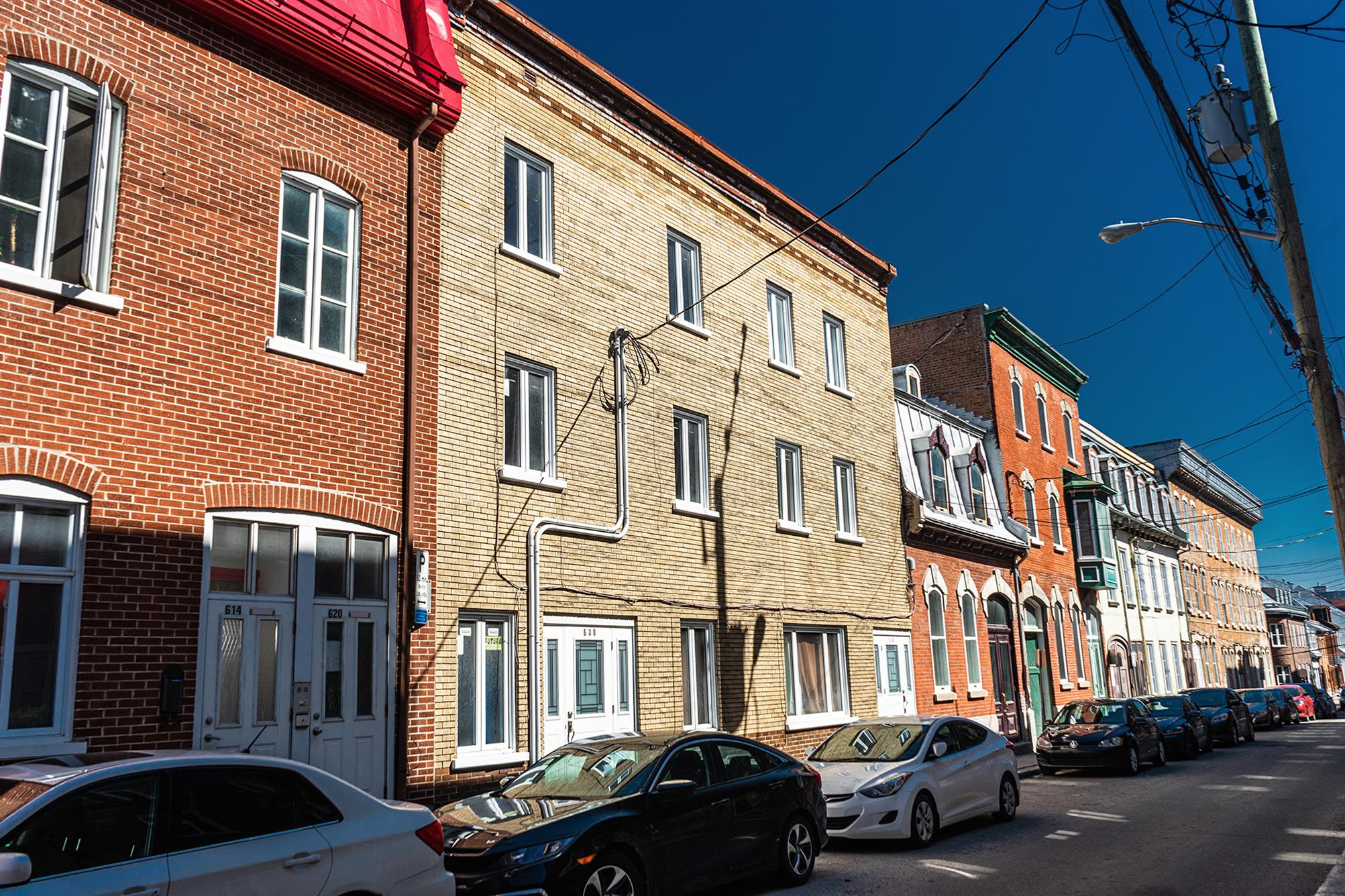
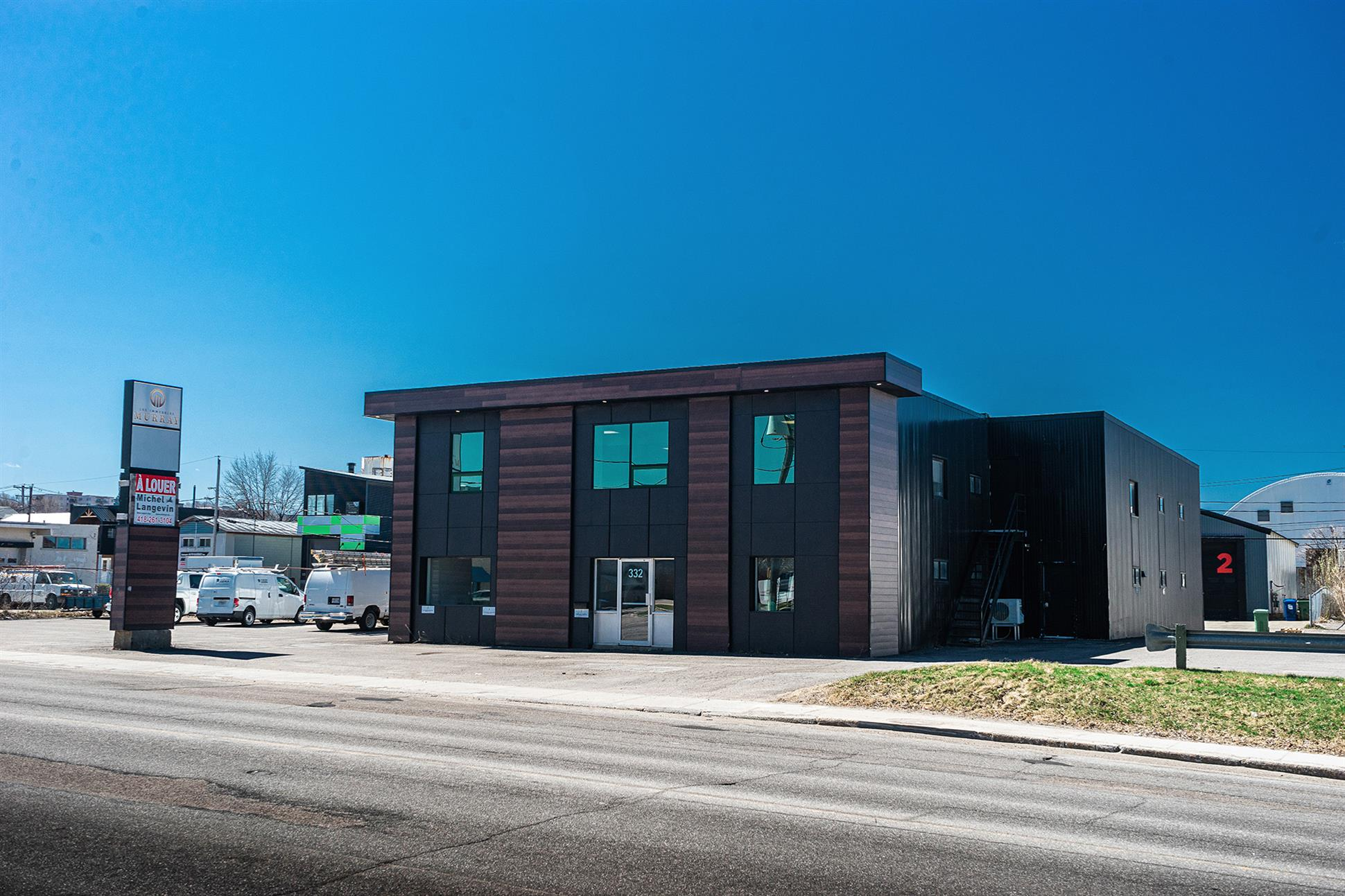
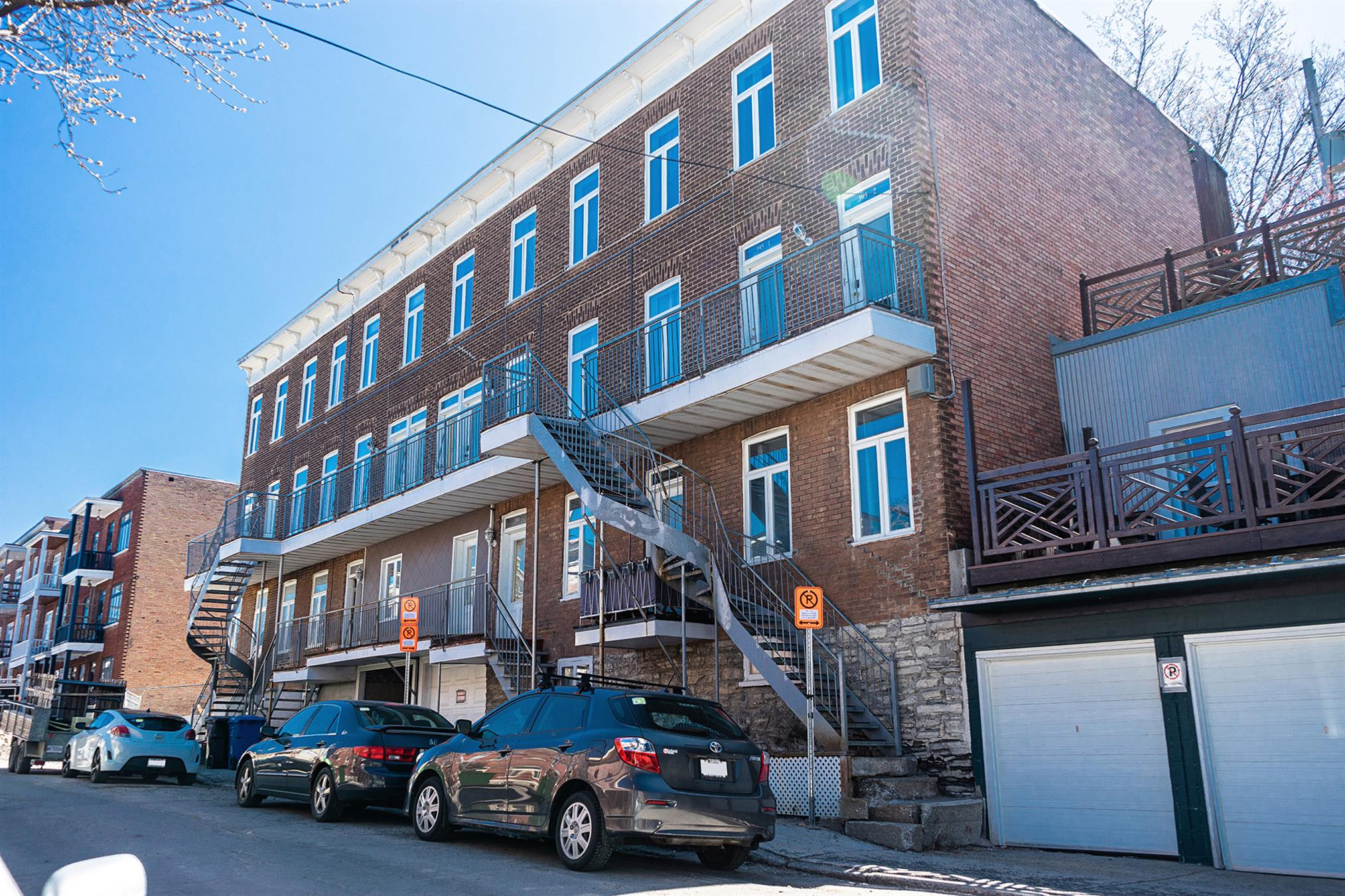
Finding a good rental in Quebec takes more than browsing listings and hoping for the best. The rental market in Montreal, Quebec City, and the surrounding regions moves quickly, competition for quality units is real, and the legal framework governing tenancies here is distinct enough from the rest of Canada that tenants who do not understand their rights often end up in situations that could have been avoided entirely.
At Frédéric Murray Rentals (fredericmurrayrentals.com), we connect tenants with quality rental properties across Quebec — well-maintained units, transparent lease terms, and landlords who take their obligations seriously. This guide walks you through the entire rental process, from knowing what to look for to understanding your rights once you sign a lease.

Understanding the Quebec Rental Market
Quebec’s rental market is unlike any other in Canada. The province has one of the highest rates of renters relative to owners in the country, particularly in Montreal where more than half of all households rent rather than own. This large renter population has shaped both the housing stock and the legal protections that govern it.
For tenants, this creates a genuinely favorable legal environment. Quebec’s Tribunal administratif du logement provides one of the strongest frameworks of tenant protection in North America — covering everything from rent increase limits to eviction procedures to habitability standards. Understanding this framework is one of the most practical things any Quebec renter can do.
At the same time, demand for quality rentals in desirable neighborhoods consistently outpaces supply. Units in well-maintained buildings on good streets in popular areas attract multiple interested tenants quickly. Knowing how to identify a quality unit, move efficiently through the application process, and evaluate a lease before signing are skills that separate tenants who land where they want to live from those who settle for less.
Step One: Define What You Actually Need
The most common mistake tenants make when searching for a rental is starting with listings before they have clearly defined what they are looking for. This leads to wasted viewings, unfocused searches, and a tendency to rationalize units that do not actually fit because the search has dragged on.
Before opening any listing platform, answer these questions honestly.
What is your true monthly budget? In Quebec, heat is sometimes included in the rent and sometimes not. The same applies to hot water, parking, and storage. A unit listed at $1,200 per month with no utilities included may cost more than a unit at $1,350 with heat included once you account for a Quebec winter. Always compare total monthly housing cost, not just the headline rent figure.
What are your non-negotiable requirements? Be specific. A dishwasher is a preference. Being within walking distance of a specific metro station because you do not own a car is a requirement. Two full bedrooms because you work from home and need a dedicated office is a requirement. Know the difference between what you need and what you want before you start, so you can make fast decisions when the right unit appears.
What is your timeline? Quebec has a strong cultural norm around July 1st move dates, which is the standard lease renewal and termination date across the province. This creates an extremely compressed rental market in the weeks leading up to July 1st and a quieter market at other times of year. If your timeline is flexible, searching outside the peak June-July window will give you more options and more negotiating room.
Step Two: Know Where and How to Search
Quality rentals in Quebec are found through several channels, and limiting yourself to one means missing properties that are being actively leased through others.
Online listing platforms cover the broadest inventory but also include a high proportion of listings that are poorly maintained, misleadingly described, or managed by landlords who do not take their obligations seriously. Use them as a starting point, not a final answer.
Working directly with a professional rental agency like Frédéric Murray Rentals (fredericmurrayrentals.com) gives you access to vetted properties managed by landlords who meet their legal obligations and maintain their buildings to a consistent standard. We pre-screen the properties we represent so our tenants spend their time viewing units that are genuinely worth considering.
Neighborhood canvassing — walking streets in areas you want to live and looking for vacancy signs — still surfaces quality units that never make it onto major listing platforms. Many small landlords in Quebec prefer to rent through word of mouth or direct contact rather than managing the volume of inquiries that come through online listings.
Step Three: Evaluate a Unit Before You Commit
Viewing a rental unit is not just about deciding whether you like it. It is about evaluating whether it meets the legal standard of habitability and whether the landlord has maintained it in a way that suggests they will continue to do so during your tenancy.
Look carefully at the following during any viewing.
Heating system. Quebec winters are serious. Ask what type of heating the unit uses, who pays for it, and when the system was last serviced. A baseboard electric heating system in a poorly insulated older building can generate heating bills that make a reasonably priced unit genuinely expensive to occupy between November and March.
Insulation and windows. Check for drafts around window frames and exterior doors. Look at the condition of the weatherstripping. Units with poor insulation are cold in winter, hot in summer, and noisy year-round — all of which affect your quality of life and your utility costs.
Signs of moisture and water infiltration. Check ceilings, corners of rooms, and under bathroom fixtures for staining, swelling, or visible mold. Water infiltration problems in older Quebec buildings are common and range from minor to severe. A landlord who has allowed moisture problems to develop and persist is telling you something important about how they manage their property.
Appliances and fixtures. Test everything. Run the taps, flush the toilet, open the oven, check the water pressure. Note what is included in the unit and make sure the lease reflects it accurately — appliances listed in the lease are the landlord’s responsibility to repair or replace if they fail during your tenancy.
The building’s common areas. The condition of hallways, stairwells, laundry rooms, and exterior spaces reflects how a building is managed overall. A landlord who lets common areas deteriorate is unlikely to respond promptly to maintenance requests in your unit.
Step Four: Understand the Quebec Standard Lease
All residential leases in Quebec must use the mandatory standard lease form issued by the Tribunal administratif du logement. This is not optional — if a landlord presents you with a completely different document and refuses to use the standard form, that is a serious red flag.
The standard lease form covers rent amount, lease duration, included services, and the rules around animals, modifications to the unit, and subletting. Here is what every tenant should understand before signing.
Your rent is protected once you are in the unit. Once you have signed a lease and taken possession of a unit, the landlord cannot increase your rent during the lease term without your agreement. At renewal, the landlord may propose an increase, but you have the right to refuse it. If you refuse, the landlord must either accept your refusal or apply to the TAL for a determination of a reasonable increase. In practice, most landlords propose increases within the annual TAL guidelines to avoid this process.
Your lease renews automatically. A fixed-term lease in Quebec does not end automatically on the expiry date. It renews under the same terms unless you give proper written notice that you do not intend to renew. Notice periods vary depending on the length of your lease — for a standard one-year lease, you must give written notice between three and six months before the expiry date if you plan to leave.
You have the right to assign your lease or sublet. Quebec tenants have the right to assign their lease to another person or to sublet their unit, subject to the landlord’s approval. The landlord cannot unreasonably refuse an assignment or subletting. This right provides significant flexibility for tenants whose circumstances change during a tenancy.
The unit must be delivered in good condition. At the start of your tenancy, the landlord is legally required to deliver the unit in a clean, good state of repair. If there are defects present at the time you take possession, document them immediately in writing and notify the landlord. Keeping a written record of the unit’s condition at move-in protects you from being held responsible for pre-existing issues at the end of your tenancy.
Your Rights as a Quebec Tenant
Quebec’s tenant protection framework gives renters meaningful rights that are worth knowing and asserting when necessary.
The right to a habitable dwelling. Your landlord is legally obligated to maintain your unit in a good state of repair throughout your tenancy. If your landlord fails to make necessary repairs after being notified in writing, you have the right to apply to the TAL for an order compelling the repairs or for a reduction in rent that reflects the diminished value of the dwelling.
Protection against illegal eviction. Eviction in Quebec is a formal legal process. A landlord cannot simply tell you to leave, change your locks, cut off your utilities, or interfere with your peaceful enjoyment of the unit. These actions are illegal and can be challenged before the TAL. The only legal grounds for eviction in Quebec are non-payment of rent, serious breach of your obligations as a tenant, repossession for personal occupancy by the owner or a close family member, or demolition or major subdivision of the building — and each of these requires formal notice and process.
Protection against harassment. Quebec law prohibits landlords from harassing tenants or using tactics intended to force them to vacate a unit. If you experience persistent pressure, unreasonable entry, or any behavior designed to make your tenancy untenable, document it and contact the TAL.
The right to quiet enjoyment. Your landlord has the right to access your unit for repairs and inspections, but must give you reasonable notice except in genuine emergencies. You are entitled to occupy your home peacefully without unannounced visits or ongoing interference.
How Frédéric Murray Rentals Helps You Find the Right Home
Searching for a rental in Quebec on your own means sorting through a large volume of listings of variable quality, dealing with landlords whose responsiveness and professionalism vary widely, and navigating the legal framework without professional support. That process is time-consuming and often frustrating.
At Frédéric Murray Rentals (fredericmurrayrentals.com), we simplify it. We represent quality rental properties managed by landlords who take their legal obligations seriously and maintain their buildings to a consistent standard. Our tenants view units that are accurately described, fairly priced, and ready for occupancy. And because we work across the full Murray network, we can connect tenants whose needs evolve over time with the right resources — whether that means transitioning from a rental to a first home purchase through Frédéric Murray Homes (fredericmurrayhomes.com), or exploring what ownership through Frédéric Murray Properties (fredericmurrayproperties.com) might look like for their situation.
Finding the right rental in Quebec should not feel like a second job. Visit fredericmurrayrentals.com to browse our current listings and connect with our team — we will help you find a home that fits your life, not just your search criteria.