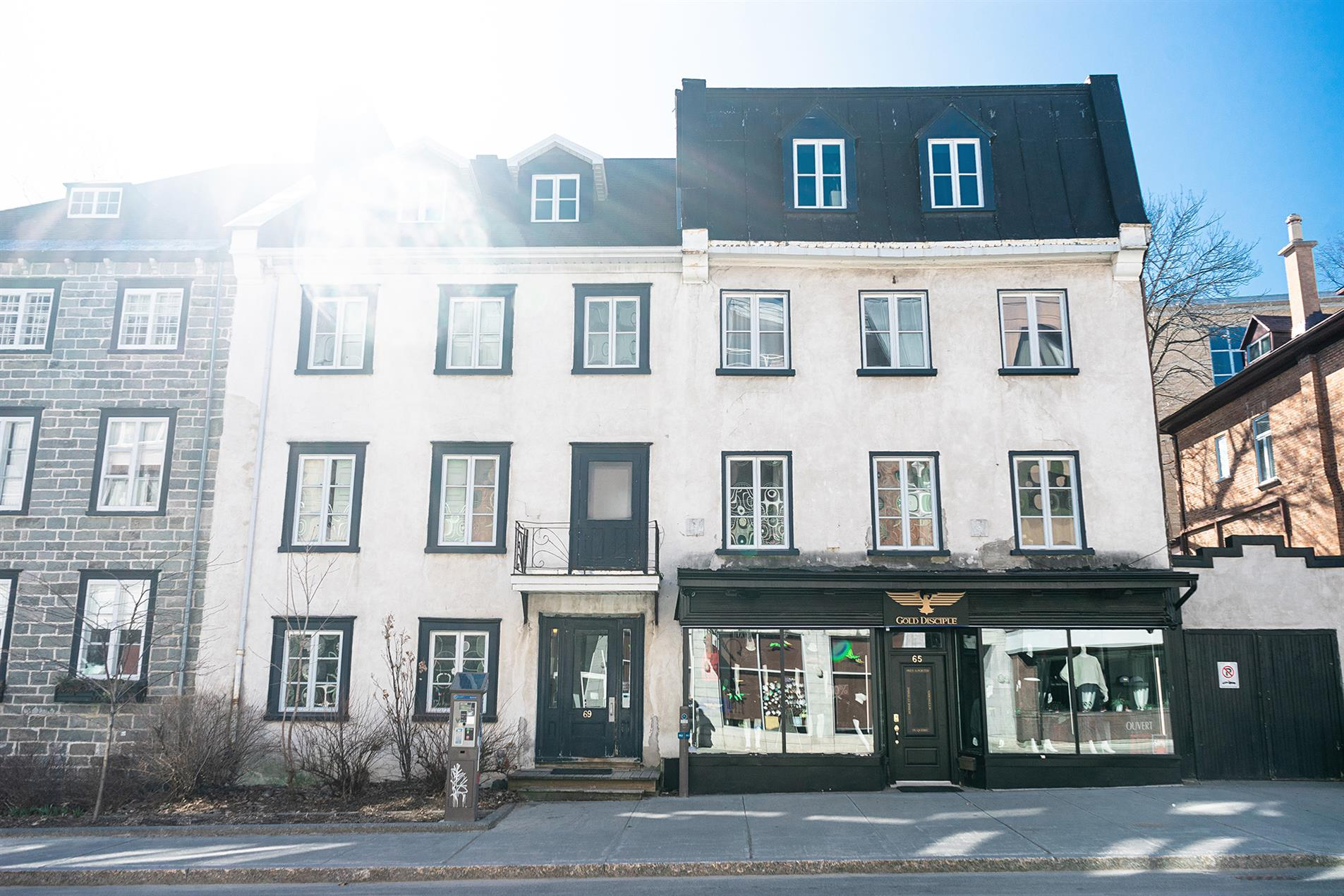
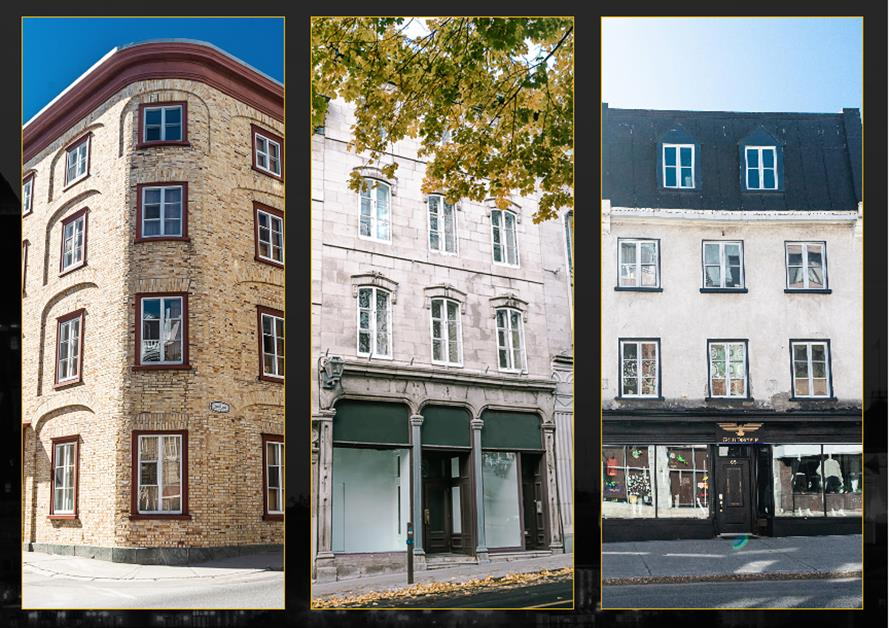
Real estate professionals repeat the mantra “location, location, location” because geographic positioning fundamentally determines property value more than any other factor. Understanding what makes locations desirable empowers buyers, sellers, and investors to make decisions that maximize returns and satisfaction.
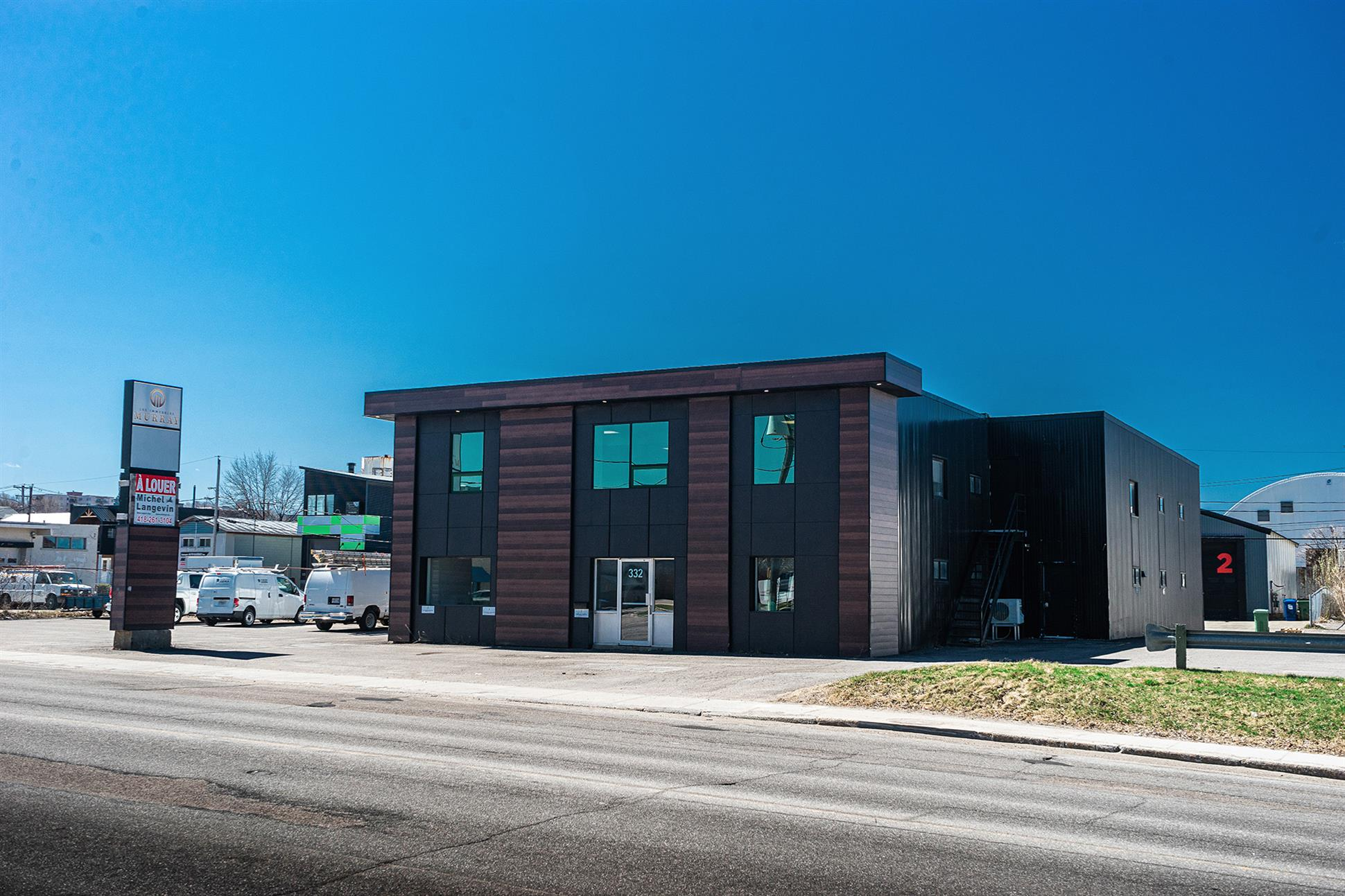
Why Location Outweighs All Other Factors
You can renovate kitchens, replace roofs, and update landscaping, but you cannot move your property to a better neighborhood. Location remains the one permanent characteristic that buyers evaluate first and remember longest.
Properties in premium locations retain value during market downturns while recovering faster during rebounds. Desirable areas attract consistent buyer demand regardless of economic conditions. This stability protects your investment against volatility affecting less favored locations.
Location influences daily quality of life through commute times, neighborhood safety, and access to amenities. These practical considerations affect tenant satisfaction for rentals and resale appeal for owned properties. Experts at Frederic Murray Locations emphasize location analysis as the foundation of sound real estate decisions.
Employment Centers Drive Housing Demand
Proximity to major employers and business districts creates sustained housing demand supporting property values. Workers prefer minimizing commute times, making properties near employment concentrations consistently desirable.
Research the economic diversity of areas you consider. Regions dependent on single industries or employers carry concentration risk if economic conditions shift. Diversified employment bases with multiple sectors provide more stable demand foundations.
Monitor business news for expansion announcements, corporate relocations, and new facility developments. Early awareness of employment growth allows positioning ahead of demand increases. Property advisors at Frederic Murray Properties track economic development patterns affecting local markets.
School District Quality Matters Enormously
School ratings influence property values even for buyers without children. Strong districts correlate with stable neighborhoods, engaged communities, and consistent property appreciation. Homes in top-rated districts command significant premiums over otherwise identical properties in weaker districts.
Research district boundaries carefully as they sometimes divide seemingly similar neighborhoods. Properties on opposite sides of single streets may fall into different districts with dramatically different reputations and corresponding values.
Verify current ratings through state education department resources rather than relying on outdated information. District quality changes over time, and assumptions based on historical reputation may prove inaccurate. Rental specialists at Frederic Murray Rentals maintain current school information supporting family-oriented property searches.
Transportation Access Expands Options
Properties with convenient transportation access attract broader tenant and buyer pools. Proximity to highways, public transit, and airports expands employment options while reducing commute burdens.
Walkability scores increasingly influence younger buyer preferences. Neighborhoods enabling car-free lifestyles command growing premiums as preferences shift toward urban convenience. Pedestrian-friendly areas with nearby retail, dining, and entertainment appeal to demographics prioritizing lifestyle over square footage.
Evaluate future transportation developments including planned transit extensions, highway projects, and infrastructure investments. Properties positioned to benefit from improved access may appreciate significantly as projects complete. Market analysts at Frederic Murray Management monitor infrastructure plans affecting property values.
Safety and Crime Statistics
Neighborhood safety ranks among top priorities for virtually all property seekers. High crime rates depress values while creating tenant retention challenges for rental properties.
Research crime statistics through local police departments and online databases. Distinguish between property crimes and violent offenses when evaluating risk levels. Understand trend directions indicating whether safety is improving or deteriorating.
Visit neighborhoods at different times including evenings and weekends to assess atmosphere firsthand. Statistical data provides objective measures while personal observation reveals subjective factors affecting comfort and desirability.
Identifying Emerging Neighborhoods
Established premium neighborhoods offer stability but limited appreciation potential given already elevated prices. Emerging areas undergoing positive transformation may deliver superior returns for investors willing to accept transitional uncertainty.
Watch for early indicators including new business openings, restaurant expansions, and retail upgrades. Coffee shops, breweries, and boutique retailers often pioneer neighborhood improvements that residential appreciation follows.
Monitor permit activity revealing planned construction and renovation investments. Significant private investment signals confidence in neighborhood trajectories. Public infrastructure improvements including streetscaping, park developments, and facility upgrades indicate governmental commitment to area enhancement.
Balance opportunity against risk when considering emerging locations. Not all transitioning neighborhoods complete positive transformations, and timing predictions prove difficult. Diversifying across established and emerging locations manages risk while capturing upside potential. Investment guidance from Frederic Murray Estates helps identify promising opportunities across market segments.
Amenity Proximity Enhances Value
Access to parks, recreation facilities, shopping centers, healthcare providers, and entertainment venues adds measurable value to nearby properties. Buyers and tenants pay premiums for convenience that simplifies daily life.
Evaluate amenity quality alongside proximity. Poorly maintained parks or struggling retail centers may detract from rather than enhance neighborhood appeal. Thriving amenities with active usage indicate healthy communities supporting property values.
Consider future amenity development through municipal planning documents and announced projects. New park construction, retail developments, or community facilities can transform neighborhood desirability. Properties positioned near planned improvements may appreciate as projects complete.
Environmental and Natural Factors
Natural features including water views, mountain vistas, and mature tree coverage enhance property appeal and value. These irreplaceable characteristics create permanent advantages over locations lacking similar attributes.
Conversely, environmental risks including flood zones, wildfire exposure, and earthquake fault proximity create value discounts and insurance challenges. Research natural hazard maps before committing to properties in potentially affected areas.
Evaluate noise exposure from highways, airports, railways, and industrial facilities. Sound impacts quality of life while affecting resale appeal to noise-sensitive buyers. Visit properties during high-traffic periods to assess actual conditions rather than relying on quiet showing times.
Making Location-Based Decisions
Prioritize location quality over property size or finishes when budget constraints force compromises. Smaller properties in excellent locations typically outperform larger properties in inferior locations over time.
Consider location durability when evaluating options. Established neighborhoods with stable characteristics provide predictable environments while areas undergoing significant change introduce uncertainty. Match location stability to your risk tolerance and investment timeline.
Trust professional guidance when evaluating unfamiliar markets. Local expertise reveals nuances that outsiders cannot easily discern. The location specialists at Frederic Murray Homes provide detailed neighborhood analysis supporting confident property decisions across all market segments.