Setting the right rental price represents one of the most consequential decisions landlords make. Price too high and units sit vacant, bleeding money with each empty day. Price too low and landlords leave substantial income on the table month after month, year after year. Finding the optimal price point requires understanding market dynamics, property positioning, and tenant psychology in ways that transcend simple guesswork.

Quebec’s rental market presents unique pricing considerations. Provincial rent control regulations, seasonal demand fluctuations, and diverse neighborhood characteristics all influence achievable rents. Landlords who master pricing strategy consistently outperform those relying on intuition or outdated information.
Understanding Quebec’s Rental Market Dynamics
Quebec’s rental landscape differs significantly from other Canadian provinces. These differences create both opportunities and constraints that landlords must understand before setting prices.
Rent control affects existing tenancies but not initial pricing. Quebec’s Régie du logement regulates rent increases for continuing tenants but does not control prices for vacant units. Landlords may set initial rents at market rates, making turnover pricing decisions particularly important.
Vacancy rates vary dramatically across Quebec markets. Montreal, Quebec City, and smaller municipalities each experience different supply-demand balances. Local vacancy rates directly influence landlord pricing power and tenant negotiating leverage.
Seasonal patterns create predictable fluctuations. July 1st moving day traditions concentrate lease transitions, creating intense competition during spring months. Off-season rentals may require adjusted pricing or extended marketing periods.
Economic conditions affect tenant capacity. Employment levels, wage growth, and overall economic health influence what tenants can afford. Pricing must reflect tenant financial reality, not just landlord aspirations.
Housing supply changes continuously. New construction, conversions, and demolitions alter competitive landscapes. Awareness of development activity helps landlords anticipate market shifts affecting pricing power.
Conducting Effective Market Research
Accurate pricing requires current, relevant market data. Outdated information or inappropriate comparisons produce pricing errors that cost landlords significantly over time.
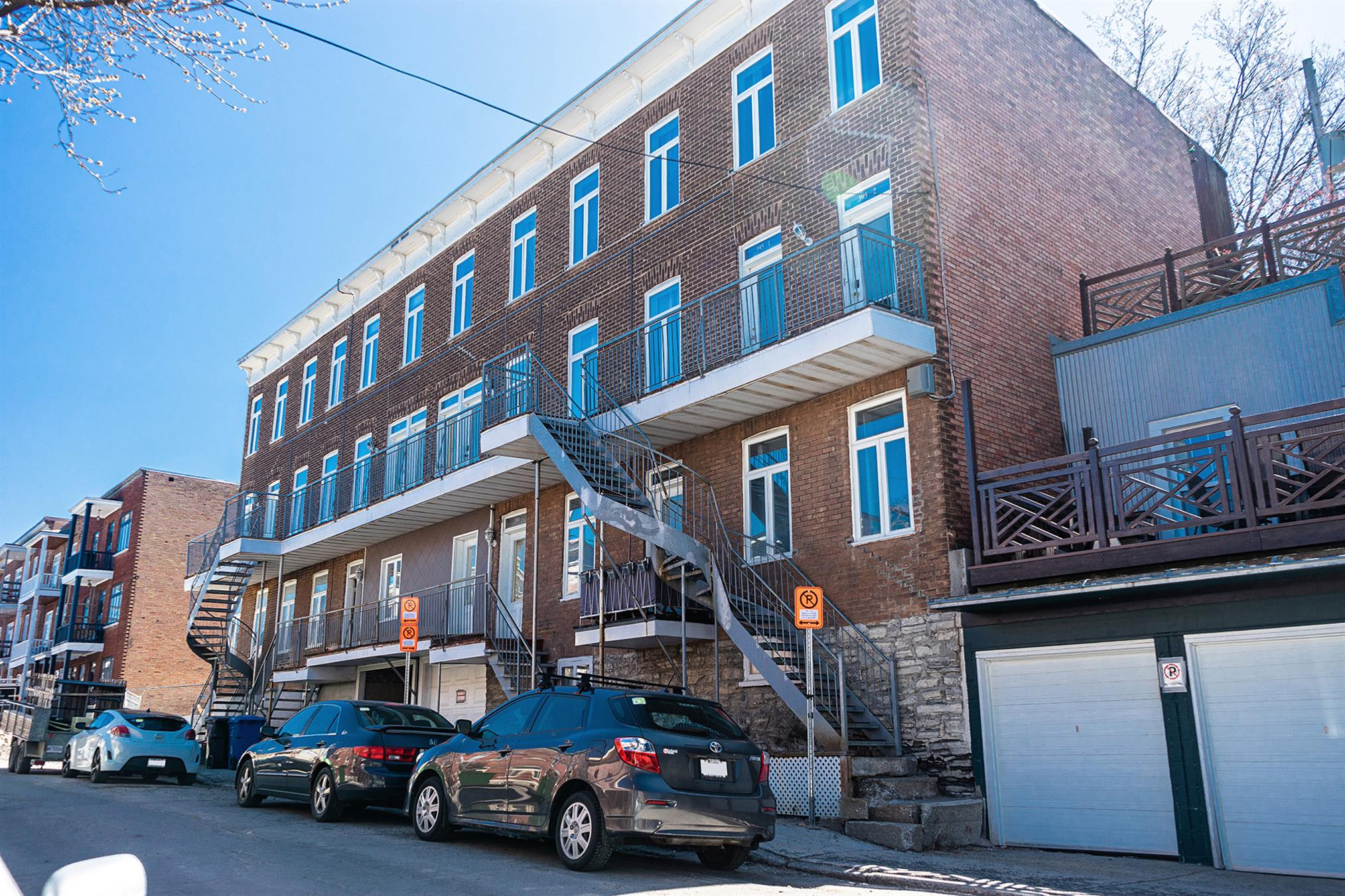
Comparable property analysis forms the research foundation. Identifying similar properties currently available or recently rented reveals market expectations. Comparables should match in location, size, condition, and amenities for meaningful comparison.
Online listing platforms provide accessible market data. Websites displaying current rental listings show asking prices across market segments. Tracking listings over time reveals which prices attract tenants quickly versus those requiring extended marketing.
Rental reports from real estate organizations offer broader market perspectives. Periodic publications summarizing market trends, average rents, and vacancy rates provide context for individual property decisions. These reports often segment data by neighborhood and property type.
Property management companies possess extensive market knowledge. Their daily involvement in leasing across many properties creates deep understanding of achievable rents. Consulting with experienced managers like Groupe Murray provides insights unavailable through public sources.
Direct market observation complements secondary research. Visiting competing properties, noting their features and pricing, and observing their marketing success provides practical intelligence. This ground-level research often reveals nuances missed in aggregate data.
Factors That Influence Rental Value
Numerous property characteristics affect achievable rents. Understanding which factors command premiums and which create discounts enables accurate pricing relative to market comparables.
Location dominates value determination. Proximity to employment, transit, amenities, and desirable neighborhoods creates premiums tenants willingly pay. Identical units in different locations command vastly different rents.
Unit size affects absolute rent but not necessarily rent per square foot. Larger units rent for more but may achieve lower per-square-foot rates. Understanding size-adjusted comparisons prevents pricing errors.
Bedroom and bathroom counts influence tenant targeting. Family-sized units with multiple bedrooms attract different tenant pools than studios or one-bedrooms. Pricing should reflect demand within specific unit-type segments.
Condition and updates significantly impact tenant willingness to pay. Renovated kitchens, updated bathrooms, modern flooring, and fresh paint command premiums over dated units. Quantifying the value of improvements guides renovation investment decisions.
Included utilities affect effective rent comparisons. Heat-included rentals appear more expensive but may offer tenant savings. Comparing total housing costs rather than base rents reveals true competitive positioning.
Amenities create differentiation opportunities. In-unit laundry, parking, storage, outdoor space, and building facilities all influence tenant decisions. Premium amenities justify premium pricing when valued by target tenant segments.
Pricing Strategies for Different Market Conditions
Market conditions require strategic pricing adjustments. Approaches successful in strong markets may fail when conditions soften, and vice versa.

Strong markets support aggressive pricing. When vacancy rates are low and tenant demand exceeds supply, landlords can price at or above recent comparables. Quick absorption of well-priced units confirms market strength.
Balanced markets require competitive positioning. When supply and demand roughly align, pricing at market levels attracts tenants without extended vacancies. Standing out through condition, amenities, or service becomes more important than price competition alone.
Weak markets demand pricing discipline. When vacancies rise and competition intensifies, realistic pricing prevents extended vacancy periods costing more than modest rent reductions. Recognizing market weakness early enables proactive adjustment.
Seasonal adjustments optimize annual income. Premium pricing during peak demand periods captures willing-to-pay tenants. Strategic timing of lease expirations positions units for optimal marketing windows.
New construction competition requires response strategies. When new buildings enter markets, existing properties may face temporary pressure. Emphasizing value advantages like established locations, larger sizes, or lower prices counters new inventory appeal.
The Psychology of Rental Pricing
Tenant decision-making involves psychological factors beyond pure economics. Understanding how tenants perceive and evaluate prices improves pricing effectiveness.
Price anchoring influences tenant expectations. The first prices tenants encounter establish reference points for subsequent comparisons. Positioning relative to initial anchors affects perceived value regardless of absolute pricing.
Round number avoidance can increase perceived value. Pricing at $1,495 rather than $1,500 creates perception of better value despite minimal actual difference. This technique works best when competitors use round numbers.
Price-quality associations affect tenant perceptions. Extremely low prices may signal problems or attract less desirable applicants. Pricing that reflects quality attracts tenants who value and maintain that quality.
Transparency builds trust during negotiations. Explaining pricing basis and providing comparable data helps tenants understand value propositions. Tenants who understand pricing feel more comfortable committing.
Flexibility signals vary by market. Willingness to negotiate may attract tenants in weak markets but suggest overpricing in strong ones. Matching flexibility signaling to market conditions improves outcomes.
Calculating Your Minimum Acceptable Rent
Before setting asking prices, landlords should understand their minimum acceptable rent. This floor price ensures basic financial viability regardless of market conditions.
Operating expenses establish baseline requirements. Property taxes, insurance, utilities (if included), maintenance, and management fees all require coverage. Rents failing to cover operating costs produce negative returns before mortgage payments.
Debt service adds mandatory monthly obligations. Mortgage principal and interest payments must be made regardless of rental income. Understanding debt service requirements clarifies minimum rent thresholds.
Reserve contributions protect against future expenses. Setting aside funds for capital expenditures, vacancy periods, and unexpected costs prevents financial stress. Including reserve requirements in minimum calculations ensures sustainable operations.
Return expectations vary by investor. Some accept minimal current returns anticipating appreciation. Others require specific cash-on-cash yields to justify investment. Personal financial goals influence acceptable rent minimums.
Opportunity cost considerations affect hold decisions. If achievable rents fall significantly below minimums, selling may produce better returns than continued ownership. Understanding this threshold informs long-term strategy.
Setting Your Initial Asking Price
With research complete and minimums established, setting the initial asking price requires balancing competing considerations.

Market positioning determines starting strategy. Pricing at market attracts qualified tenants without leaving money on table. Pricing slightly below market may accelerate leasing in competitive situations. Pricing above market tests demand but risks extended vacancy.
Negotiation room considerations affect initial pricing. If negotiation is expected, starting prices must accommodate potential reductions. Markets where negotiation is uncommon may support tighter initial pricing.
Showing feedback refines initial estimates. Early showing reactions reveal whether pricing aligns with tenant expectations. Consistent feedback that pricing seems high suggests adjustment need.
Application volume indicates market response. Strong interest with multiple applications confirms appropriate pricing. Weak response despite adequate marketing suggests price reconsideration.
Time-on-market benchmarks guide adjustment timing. Understanding typical marketing periods for comparable properties provides context. Units remaining available significantly longer than benchmarks likely require price adjustment.
Adjusting Prices When Units Remain Vacant
Extended vacancies require strategic response. Continuing unsuccessful strategies wastes time and money while market conditions may worsen further.
Vacancy cost calculations clarify adjustment logic. Each day empty costs the daily rent equivalent. A $50 monthly rent reduction costs $600 annually but may prevent vacancy costing $1,500 or more. Math often favors adjustment over holding firm.
Graduated reduction strategies prevent overcorrection. Reducing prices in increments allows finding the right level without dropping below necessary thresholds. Tracking response to each reduction guides subsequent adjustments.
Alternative concessions may preserve base rents. Move-in specials, free parking periods, or other incentives attract tenants while maintaining stated rent levels. These approaches protect rent rolls while addressing market reality.
Marketing effectiveness evaluation precedes price adjustment. Poor results may reflect inadequate marketing rather than pricing problems. Ensuring listings feature quality photos, complete descriptions, and appropriate distribution before reducing prices prevents unnecessary adjustments.
Timing considerations affect adjustment decisions. Early lease terms approaching may justify holding firm if market typically strengthens. Extended soft periods suggest adjustment regardless of seasonal patterns.
Pricing for Lease Renewals
Renewal pricing differs from initial pricing. Existing tenant relationships, Quebec regulations, and turnover cost avoidance all influence renewal approach.
Quebec law limits annual increases. The Régie du logement provides calculation methods suggesting reasonable increases based on operating cost changes. Increases exceeding these suggestions may face tenant challenges.
Tenant value extends beyond current rent. Reliable tenants who maintain properties, pay consistently, and cause no problems provide value justifying modest rent discounts compared to market. Recognizing this value influences renewal pricing.
Turnover cost comparison informs decisions. If achieving market rent requires turnover, calculating turnover costs against potential rent gains reveals whether replacement makes financial sense. Often, retaining good tenants at slightly below-market rents produces better outcomes.
Communication approach affects acceptance. Presenting increases with explanation, acknowledging tenant value, and remaining open to discussion improves renewal rates. Adversarial approaches damage relationships regardless of ultimate pricing.
Market context frames reasonable expectations. Tenants understanding overall market conditions more readily accept increases aligned with market movements. Sharing market data helps tenants recognize fairness.
Using Technology for Pricing Decisions
Modern technology provides pricing tools previously unavailable to individual landlords. Leveraging these resources improves decision accuracy and efficiency.
Rent estimation tools aggregate market data. Online platforms analyzing listing and transaction data suggest price ranges for specific properties. While requiring local knowledge validation, these tools provide useful starting points.
Comparable tracking systems monitor competition. Setting alerts for new listings in target areas provides real-time competitive intelligence. Understanding competitor pricing evolution informs own pricing adjustments.
Performance dashboards reveal pricing effectiveness. Tracking showing volumes, application rates, and time-to-lease relative to price points identifies patterns guiding future decisions.
Revenue management concepts apply to residential rentals. Techniques developed for hotels and airlines, adjusting prices based on demand patterns and remaining inventory, increasingly influence sophisticated rental pricing.
Data analytics identify non-obvious patterns. Advanced analysis of historical pricing and leasing data reveals relationships invisible to casual observation. Large portfolios particularly benefit from analytical approaches.
Working With Professionals for Pricing Guidance
Pricing expertise requires market knowledge many landlords lack. Professional guidance often pays for itself through improved outcomes.
Property managers price units continuously. Their daily market engagement produces pricing intuition refined through constant practice. Managers familiar with specific neighborhoods provide particularly valuable insights.
Real estate agents understand broader market dynamics. Though focused primarily on sales, agents often have rental market knowledge, especially those serving investor clients.
Appraisers provide formal valuation opinions. Rental property appraisals include market rent estimates based on systematic analysis. These professional opinions may be required for financing or legal purposes.
Market research firms offer detailed analysis. For larger portfolios, commissioned research provides comprehensive market assessment. These studies examine competitive positioning, demand trends, and pricing optimization opportunities.
Organizations like Frederic Murray Rentals combine local market expertise with systematic pricing approaches. Their experience across diverse Quebec City neighborhoods enables accurate pricing recommendations reflecting current conditions.
Monitoring and Adjusting Over Time
Rental markets evolve continuously. Pricing approaches that work today may become obsolete as conditions change. Ongoing monitoring ensures continued optimization.
Regular market reassessment maintains current awareness. Quarterly reviews of comparable listings, vacancy trends, and economic conditions reveal changes requiring response.
Lease expiration planning enables strategic positioning. Anticipating upcoming renewals and potential turnovers allows proactive research rather than reactive scrambling.
Portfolio-wide analysis identifies patterns. For multi-property owners, comparing performance across units reveals pricing strengths and weaknesses. Units consistently outperforming may indicate room for increases. Chronic underperformers may require pricing adjustment or property improvements.
Long-term trend tracking informs strategy. Understanding how market rents have evolved over years provides context for current decisions. Recognizing cyclical patterns helps anticipate future conditions.
Feedback loops connect pricing to outcomes. Systematically linking pricing decisions to leasing results creates learning opportunities. Documenting what works and what fails builds institutional knowledge improving future decisions.
For landlords seeking expert guidance on rental pricing in Quebec, professional property management relationships provide ongoing support. Resources like Frederic Murray Properties and Murray Immeubles offer the market knowledge, analytical capabilities, and practical experience that help property owners maximize rental income while maintaining competitive positioning in Quebec’s dynamic rental market.