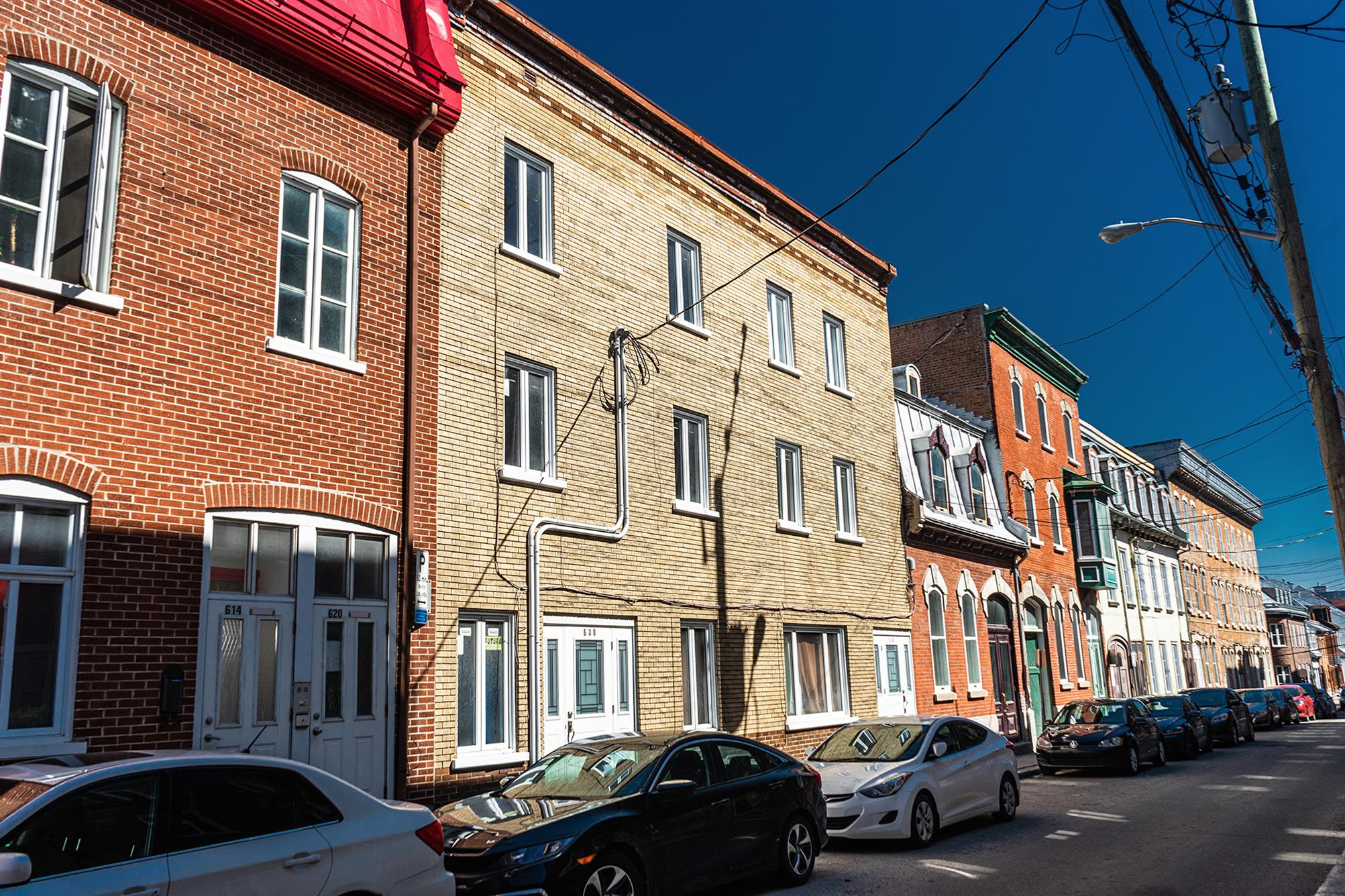
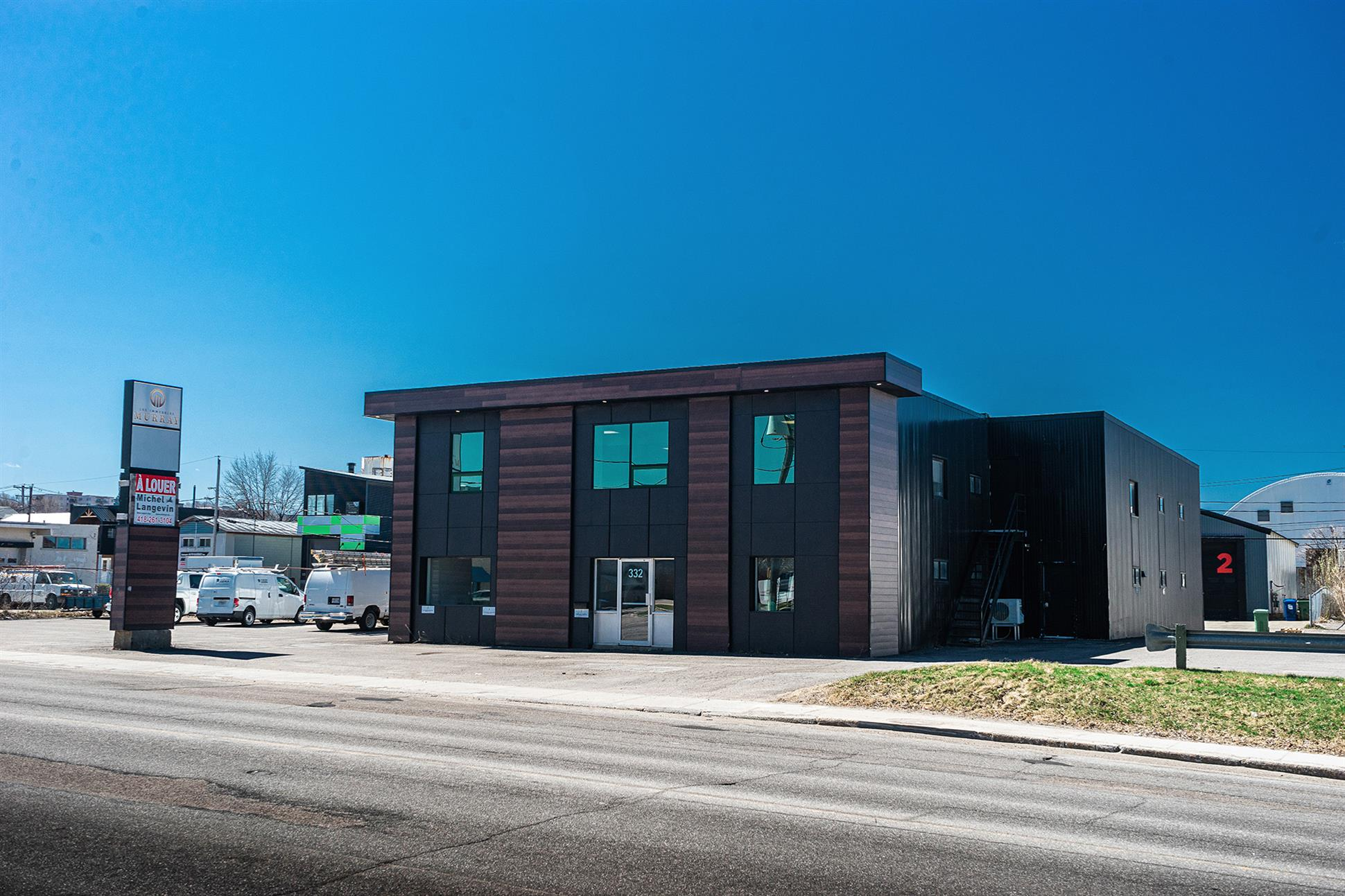
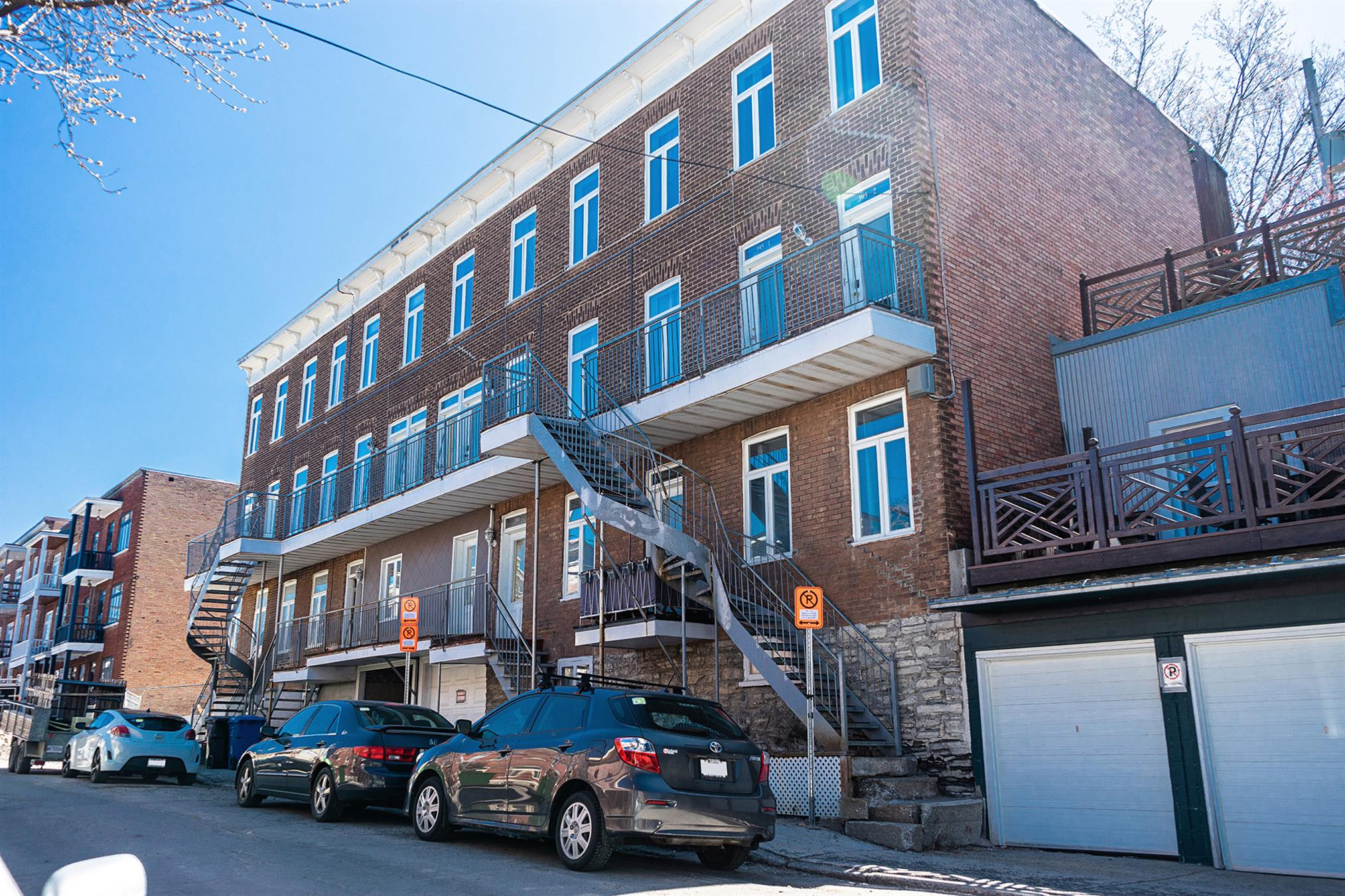
Buying rental property represents one of the largest financial decisions real estate investors make. A thorough pre-purchase property inspection protects your investment by identifying hidden problems, negotiating price reductions, and avoiding properties with expensive defects. Groupe Murray, Quebec’s experienced property management experts, reveals what every property investor must know about pre-purchase inspections before closing on investment real estate.
Why Property Inspections Are Essential for Real Estate Investors
Property inspections save real estate investors thousands of dollars by uncovering hidden defects before purchase. Major structural problems, outdated electrical systems, failing roofs, and foundation issues can cost $20,000-$100,000 to repair—expenses that destroy investment returns if discovered after closing.
Professional property inspections provide negotiating leverage. Inspection reports documenting necessary repairs justify price reductions, seller-paid repairs, or closing cost credits that improve your investment property’s financial performance.
Many first-time rental property investors skip inspections to save $400-$600 in inspection fees. This penny-wise, pound-foolish approach often results in discovering tens of thousands in unexpected repairs after purchasing the investment property.
Frederic Murray emphasizes that no property inspection guarantees perfection, but thorough inspections dramatically reduce risk and provide critical information for informed real estate investment decisions.
Quebec real estate investors face unique challenges including harsh weather impacts, older building stock, and specific building code requirements. Professional inspectors familiar with Quebec construction standards identify region-specific concerns that general inspectors might miss.
What Professional Property Inspections Cover
Comprehensive property inspections examine all major building systems, structural elements, and components affecting property condition, safety, and value.
Structural Systems: Foundation integrity, load-bearing walls, floor systems, roof structure, and building envelope. Structural problems represent the most expensive repairs, often requiring extensive work costing $50,000 or more.
Roofing Systems: Roof condition, remaining lifespan, proper installation, drainage systems, flashing, ventilation, and potential leak sources. Roof replacement costs $8,000-$25,000 depending on size and materials, making roof condition critical for investment planning.
Electrical Systems: Service panel capacity, wiring condition and type, outlet functionality, GFCI protection, grounding, and code compliance. Outdated electrical systems create safety hazards and require expensive upgrades costing $5,000-$15,000.
Plumbing Systems: Water supply lines, drain systems, water heater condition, fixtures, potential leaks, and sewage systems. Plumbing problems cause water damage, mold growth, and expensive emergency repairs.
HVAC Systems: Heating and cooling equipment condition, efficiency, proper installation, ductwork, and estimated remaining lifespan. HVAC replacement costs $3,000-$10,000 per system in multi-unit properties.
Interior Components: Walls, ceilings, floors, windows, doors, stairs, and railings. Interior defects affect tenant satisfaction, rental rates, and turnover costs.
Groupe Murray recommends hiring experienced inspectors specializing in multi-unit residential properties when purchasing apartment buildings or multi-family investment real estate.
Specialized Inspections for Investment Properties
Beyond standard property inspections, certain situations require specialized evaluations by expert contractors or engineers.
Mold and Air Quality Testing: Properties with musty odors, water damage history, or visible mold require professional mold assessment. Mold remediation costs $2,000-$30,000 depending on extent and location.
Asbestos Inspection: Buildings constructed before 1990 potentially contain asbestos in insulation, flooring, ceiling tiles, or pipe wrapping. Asbestos abatement costs vary dramatically based on material type and quantity.
Structural Engineering Assessment: Properties showing foundation cracks, sagging floors, bowing walls, or settling require structural engineer evaluation. Engineering reports provide repair cost estimates and structural integrity assessments.
Septic System Inspection: Properties with septic systems need specialized septic inspections beyond general property inspections. Septic system replacement costs $15,000-$30,000.
Pest Inspections: Termites, carpenter ants, and other pests cause significant structural damage. Pest inspections identify infestations requiring treatment and damage repairs.
Frederic Murray advises that specialized inspection costs ranging from $300-$1,500 represent minimal investment compared to discovering major problems after purchasing investment property.
How to Choose the Right Property Inspector
Not all property inspectors provide equal service quality. Selecting qualified, experienced inspectors protects your real estate investment through thorough, accurate assessments.
Verify Professional Credentials: Quebec home inspectors should hold certification from recognized organizations like AIBQ (Association des Inspecteurs en Bâtiments du Québec) or OAQ (Ordre des Architectes du Québec).
Check Inspector Experience: Choose inspectors with multi-family property experience for apartment buildings and rental properties. Single-family home specialists may miss issues specific to multi-unit buildings.
Review Sample Inspection Reports: Quality inspection reports include detailed descriptions, numerous photos, clear problem explanations, and maintenance recommendations. Avoid inspectors providing brief, vague reports.
Confirm Insurance Coverage: Professional inspectors carry errors and omissions insurance protecting clients if inspectors miss significant defects.
Ask About Inspection Process: Thorough inspections of multi-unit properties require 2-4 hours minimum. Inspectors completing assessments in 60-90 minutes likely provide superficial examinations.
Groupe Murray maintains relationships with trusted property inspectors specializing in investment real estate throughout Quebec, providing referrals to property investors seeking qualified inspection professionals.
Attending Your Property Inspection
Real estate investors should attend property inspections whenever possible. On-site presence during inspections provides valuable learning opportunities and firsthand property knowledge.
Ask questions throughout the inspection process. Inspectors explain building systems, identify maintenance needs, and provide property care insights beneficial for managing your investment property.
Request inspector opinions on major system remaining lifespans. Understanding when roof replacement, HVAC upgrades, or other expensive projects will be necessary allows accurate financial planning and cash reserve budgeting.
Document inspector findings with photos and notes. Personal documentation supplements inspection reports and provides reference materials for future property management decisions.
Observe property condition details affecting rental appeal including unit layouts, natural lighting, storage space, parking adequacy, and neighborhood characteristics influencing tenant demand.
Frederic Murray encourages property investors to treat inspections as educational opportunities that build knowledge for successful real estate investment management.
Negotiating After Inspection Results
Inspection reports provide powerful negotiation tools for adjusting purchase prices, requiring seller repairs, or requesting closing cost credits.
Prioritize Major Issues: Focus negotiations on significant defects like structural problems, roof replacement needs, major system failures, and safety hazards. Minor cosmetic issues rarely justify price adjustments.
Obtain Repair Cost Estimates: Get contractor quotes for identified problems. Documented repair costs strengthen negotiation positions better than inspection findings alone.
Request Seller Repairs or Price Reductions: Options include seller completing repairs before closing, price reduction equal to repair costs, closing cost credits, or escrow holdbacks for specific repairs.
Consider Walking Away: Properties with extensive problems, deferred maintenance, or repair costs exceeding your investment budget may warrant canceling purchases. Inspection contingencies protect buyers from poor investment decisions.
Groupe Murray assists property investors in evaluating inspection findings, estimating repair costs, and developing negotiation strategies that protect investment returns and minimize post-purchase surprises.
Creating a Post-Purchase Maintenance Plan
Inspection reports become valuable maintenance planning tools after purchasing investment property. Systematic maintenance prevents small issues from becoming expensive emergencies.
Develop priority action lists from inspection recommendations including immediate repairs affecting safety or habitability, short-term improvements within 6-12 months, medium-term projects within 1-3 years, and long-term capital replacements beyond 3 years.
Budget for identified repairs and replacements. Inspection-based financial planning prevents cash flow surprises and ensures funds availability for necessary property improvements.
Schedule preventive maintenance for systems approaching end-of-life. Proactive replacements cost less than emergency repairs and prevent tenant inconvenience from system failures.
Frederic Murray uses inspection reports to develop comprehensive property improvement plans that optimize investment property condition, tenant satisfaction, and long-term returns.
Invest Wisely With Professional Inspection Guidance
Thorough property inspections represent the best insurance policy real estate investors can purchase. The few hundred dollars invested in comprehensive inspections prevent thousands in unexpected repairs and protect against purchasing problematic properties.
Groupe Murray provides property acquisition consulting that includes inspection coordination, report review, repair cost analysis, and negotiation support. Our experience evaluating hundreds of investment properties helps investors make informed decisions and avoid costly mistakes.
Whether you’re purchasing your first rental property or expanding your real estate portfolio, professional guidance through the inspection process protects your investment and maximizes long-term success.
Ready to purchase investment property with confidence? Contact Groupe Murray today for expert property acquisition guidance, inspection coordination, and comprehensive property management services that protect and grow your real estate investments throughout Quebec.